 January 2025 in “International Journal of Gynaecology Research”
 This study found that serum cystatin C levels may be elevated in adolescent females with PCOS, suggesting it could serve as a predictive marker for metabolic and cardiovascular issues independent of renal function.
 January 2025 in “International Journal of Dermatology Venereology and Leprosy Sciences”
 This review article highlights that obesity is a significant risk factor for several inflammatory skin conditions, such as psoriasis and atopic eczema, contributing to increased overall morbidity among those affected.
 January 2025 in “ANNALS OF PAKISTAN MEDICAL & ALLIED PROFESSIONALS”
 This study found that insulin resistance is common among Pakistani women with PCOS and is independently associated with increased hyperandrogenism, as indicated by correlations with testosterone levels and other androgenic measures.
 December 2024 in “Research Journal for Social Affairs”
 This review discusses the etiology, diagnosis, and management of polycystic ovary syndrome and reports no new clinical findings.
 December 2024 in “African Journal of Biomedical Research”
 This review discusses various risk factors and potential therapeutic interventions for PCOS but reports no new clinical results.
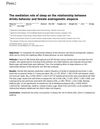
This study found that among female patients, those who consumed sweetened tea drinks more frequently had a higher risk of androgenetic alopecia, with the impact notably mediated by late bedtimes rather than by sugar intake from these drinks.

This study found that consuming sweetened tea drinks is associated with an increased risk of female androgenetic alopecia, and this relationship is influenced by bedtime habits rather than sugar intake from soft drinks.
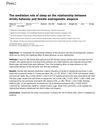
This study found that consumption of sweetened tea drinks increases the risk of female androgenetic alopecia, with the relationship being mediated by later bedtimes rather than daily sugar intake.

This study found that frequent consumption of sweetened tea drinks is linked to a higher risk of female androgenetic alopecia, and this relationship is mediated by late bedtimes but not daily sugar intake.

This research reported that consuming sweetened tea drinks is linked to an increased risk of female androgenetic alopecia, with the effect significantly mediated by bedtime habits rather than daily sugar intake.
 November 2024 in “PubMed”
 This study found that carboxytherapy significantly improved skin wrinkles, laxity, and pigmentation among 28 patients with skin aging on the abdomen, accompanied by increased epidermis and dermis thickness and no significant side effects.
 October 2024 in “Irish Journal of Medical Science (1971 -)”
 Continuous glucose monitoring and GLP-1 receptor agonists improve diabetes management, but personalized care and education are crucial.

This study identified 193 plasma proteins associated with prostate cancer risk, validating 20 high-risk proteins including KLK3, and pinpointed potential drug targets like HSPB1, RRM2B, and PSCA through genetic analysis, offering new insights for biomarkers and treatments.
 July 2024 in “Bozok Tıp Dergisi”
 This study found that using a new method to apply platelet-rich plasma during surgery improved early outcomes for patients with hip avascular necrosis, including those with a history of Covid-19.
 June 2024 in “Research Square (Research Square)”
 In this cross-sectional study, researchers observed that individuals with early-onset androgenetic alopecia showed significant differences in hair growth parameters and metabolic factors compared to those with normal-onset AGA, suggesting a potential association with metabolic syndrome, though more research is needed to clarify this relationship.
 June 2024 in “International Journal of Ayurveda and Pharma Research”
 In this study involving 40 PCOS patients, the authors observed notable improvements in menstrual cycle regularity and ovarian cyst volume reduction using Tila kashayam and Shatapuspa choornam treatments, though they reported no significant changes in hirsutism, BMI, or waist circumference over three months.
 May 2024 in “Journal of drug delivery and therapeutics”
 This study found that women with polycystic ovarian syndrome at a gynecology clinic in Nnewi exhibited significant oxidative stress and hormonal imbalances compared to controls.
 May 2024 in “International Journal of Advanced Academic Studies”
 This study found that in Iraqi women with PCOS, those taking vitamin E supplements experienced a significant reduction in androgenic symptoms like hair loss, weight gain, and acne, along with lower levels of certain hormones linked to the condition.

This report describes the 2024 American Academy of Dermatology Annual Meeting in San Diego, notable for attracting nearly 20,000 attendees with 339 sessions covering a wide range of dermatological topics, making it potentially the largest dermatology meeting by attendance.

This article discusses the challenges in diagnosing and treating polycystic ovary syndrome in adolescents, emphasizing the importance of lifestyle changes and a systematic therapeutic approach but reports no new clinical findings.
 March 2024 in “PLoS medicine”
 This study systematically reviewed meta-analyses and Mendelian randomization studies to identify factors influencing prostate cancer risk, finding suggestive associations for physical activity, height, and smoking but no robust, convincing overlapping evidence across tested factors.
 February 2024 in “Journal of Education, Health and Sport”
 This review discusses current pharmacological and non-pharmacological treatment strategies for PCOS, emphasizing the need for a personalized, multimodal approach due to incomplete understanding of the syndrome's pathogenesis.
 January 2024 in “Frontiers in endocrinology”
 This study found that women treated with GnRHa for central precocious puberty had a higher prevalence of polycystic ovary syndrome in adulthood compared to those with isolated premature thelarche.
 January 2024 in “Journal of the Endocrine Society”
 In this study, correlations between urinary and serum androgen metabolites were examined in girls aged 6-13, revealing that summed urinary metabolites strongly correspond with circulating androstenedione and testosterone levels, though individual variations depend on participant characteristics such as age and body measurements.
 January 2024 in “Wiadomości Lekarskie”
 This source reports that clinical trials using advanced Deep Brain Stimulation systems, augmented with AI to integrate kinematic data, eye tracking, and cognitive assessments, show promise in improving diagnostic accuracy and monitoring symptoms for patients with Parkinson's disease.
 January 2024 in “Wiadomości Lekarskie”
 In this retrospective study conducted at Grodno Regional Children's Hospital, researchers found that children in western Belarus showed more severe COVID-19 symptoms in 2021 compared to 2020, with urban children primarily affected, and family contact emerging as the most common source of infection.
 January 2024 in “Wiadomości Lekarskie”
 This study reported the development of fluorescent markers using wide band gap metal oxides with rare earth ions for early tumor detection and treatment. Testing in animals showed high efficiency and selectivity, with potential applications in contrast-enhanced MRI, targeted drug delivery, and photodynamic cancer therapy.
 January 2024 in “Wiadomości Lekarskie”
 This study developed an AI-driven method for classifying cells in Follicular Lymphoma cases, achieving a 63% F1-score, precision, and recall in distinguishing centroblasts from other cell types using whole slide images at x20 resolution.
 January 2024 in “Wiadomości Lekarskie”
 This article reviews the potential applications of Point of Care procedures in radiology, discussing their ability to enhance the speed of diagnosis and treatment but does not report new results.
 January 2024 in “Wiadomości Lekarskie”
 This study found that using a combined LH and FSH stimulation protocol significantly increased clinical pregnancy rates in women with low ovarian reserve compared to the standard protocol.