 31 citations
,
April 2018 in “Royal Society open science”
31 citations
,
April 2018 in “Royal Society open science” This study found that mange-infected bare-nosed wombats have increased heat loss, higher metabolic rates, altered behavior, and disrupted fatty acid composition compared to healthy individuals.
 26 citations
,
June 2018 in “The journal of immunology/The Journal of immunology”
26 citations
,
June 2018 in “The journal of immunology/The Journal of immunology” This study demonstrated that AIRE-deficient rats exhibit key symptoms of APECED, making them a relevant model for exploring potential treatments.
 5 citations
,
January 2024 in “American Journal of Translational Research”
5 citations
,
January 2024 in “American Journal of Translational Research” This research highlighted that the gut microbiota may influence ovarian health, suggesting it could be used as a biomarker for early diagnosis and treatment of diseases like PCOS, ovarian insufficiency, and ovarian cancer due to its impact on hormone levels.
 January 2023 in “Tehnika”
 This article discusses the challenges in diagnosing and treating autoimmune diseases, emphasizing the need for regenerative medicine approaches to address the root causes rather than just suppressing symptoms.
 15 citations
,
August 2021 in “Reviews in endocrine and metabolic disorders”
15 citations
,
August 2021 in “Reviews in endocrine and metabolic disorders” This review discusses hypopituitarism's bidirectional relationship with COVID-19 due to metabolic comorbidities and pituitary risks, but it reports no new clinical results.
This case report describes a pediatric patient with diabetes mellitus type 1 who uniquely also developed membranous glomerulonephritis and alopecia areata, highlighting a rare association of these autoimmune conditions.
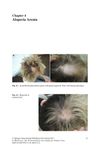 December 2016 in “Springer eBooks”
 A 45-year-old woman with autoimmune diseases experienced patchy hair loss due to alopecia areata, which has no cure but can be treated, with varying success.
 391 citations
,
January 2010 in “Journal of The American Academy of Dermatology”
391 citations
,
January 2010 in “Journal of The American Academy of Dermatology” This article reviews the clinical presentation and histopathologic features of alopecia areata and proposes a hypothesis for its development, but it reports no new clinical results.
 100 citations
,
July 2018 in “Journal of The American Academy of Dermatology”
100 citations
,
July 2018 in “Journal of The American Academy of Dermatology” This study found that alopecia areata is linked with a higher prevalence of systemic and psychiatric diseases, suggesting that physicians should monitor for these potential comorbidities.
 24 citations
,
July 2011 in “PubMed”
24 citations
,
July 2011 in “PubMed” This review discusses the classic skin characteristics of hypothyroidism, notably generalized myxedema caused by increased glycosaminoglycan deposition, and reports no clinical results.
 20 citations
,
July 1990 in “Pediatrics in Review”
20 citations
,
July 1990 in “Pediatrics in Review” This piece explains that 90% to 95% of pediatric alopecia cases are due to four main causes: alopecia areata, telogen effluvium, tinea capitis, and trichotillomania, with diagnosis typically confirmed through careful examination.
15 citations
,
October 2013 in “Journal of the American Academy of Dermatology” This study found that in adults with vitiligo, certain autoimmune diseases are associated with factors like age, sex, and extent of vitiligo, suggesting tailored screening strategies based on these variables.
 2 citations
,
September 2016 in “Journal of evolution of medical and dental sciences”
2 citations
,
September 2016 in “Journal of evolution of medical and dental sciences” This study found that patients with thyroid dysfunction were more likely to experience skin disorders such as chronic idiopathic urticaria, vitiligo, and alopecia areata compared to a control group.
68 citations
,
October 2008 in “Archives of dermatological research” Generalized vitiligo in Chinese patients is linked to other autoimmune diseases, especially in familial cases.
 47 citations
,
January 2013 in “Indian Journal of Dermatology, Venereology and Leprology”
47 citations
,
January 2013 in “Indian Journal of Dermatology, Venereology and Leprology” This review examines the pathogenesis of premature hair graying and potential treatment avenues, but reports no new experimental outcomes, highlighting ongoing research challenges and hopes for drug development.
 34 citations
,
October 2017 in “Archivos Argentinos De Pediatria”
34 citations
,
October 2017 in “Archivos Argentinos De Pediatria” This review discusses the clinical characteristics, diagnosis, and treatment of alopecia areata, exploring potential environmental, immunological, and genetic factors involved in its development, but reports no new research findings.
 12 citations
,
October 1995 in “The Journal of Clinical Endocrinology & Metabolism”
12 citations
,
October 1995 in “The Journal of Clinical Endocrinology & Metabolism” Skin changes can indicate hormonal imbalances and help diagnose endocrine disorders.
 11 citations
,
November 2021 in “BMJ Open”
11 citations
,
November 2021 in “BMJ Open” This study reviews the epidemiology of alopecia areata in the UK, focusing on its links to mental health comorbidities, autoimmune/atopic associations, and common infection incidences.
 11 citations
,
September 2021 in “Anais Brasileiros de Dermatologia”
11 citations
,
September 2021 in “Anais Brasileiros de Dermatologia” This article reviews how skin manifestations can aid in diagnosing various systemic diseases, focusing primarily on their association with rheumatologic conditions while also addressing vascular, granulomatous, and other disease impacts, aiming to provide dermatologists with practical diagnostic insights.
 6 citations
,
January 2013
6 citations
,
January 2013 This chapter reviews hyperadrenocorticism in ferrets, covering its causes, symptoms, diagnosis, and treatment options, but reports no new research findings.
 5 citations
,
November 1992 in “Current problems in dermatology”
5 citations
,
November 1992 in “Current problems in dermatology” This review discusses the role of glucocorticoids in treating severe inflammatory disorders and highlights their potential adverse effects, recommending dosage management to minimize these risks; no new clinical results are reported.
 4 citations
,
August 2013 in “Case reports in dermatology”
4 citations
,
August 2013 in “Case reports in dermatology” This case report describes a patient in whom vitiligo was induced by diphenylcyclopropenone treatment for alopecia universalis, highlighting the potential overlap of susceptibility genes between the two conditions.

This narrative review concludes that long-term randomized controlled trials are needed to establish clear guidelines for testosterone therapy in women, given the lack of FDA-approved formulations and the variable quality of current treatments.
 April 2020 in “IP Indian journal of clinical and experimental dermatology”
 This study explores autoimmune associations in pediatric patients with alopecia areata at a tertiary care center but reports no new clinical findings.

This review discusses various skin-related conditions affecting hair and nails, highlighting associations with systemic pathologies but reports no new clinical findings.
 January 2003 in “Springer eBooks”
 Children with diabetes often have skin problems, which can be better managed with good blood sugar control.
 9 citations
,
October 2017 in “Archivos Argentinos de Pediatria”
9 citations
,
October 2017 in “Archivos Argentinos de Pediatria” This review discusses the clinical features, diagnosis, and treatment of alopecia areata, while investigating potential genetic, environmental, and immunological factors involved in its etiology, but reports no new findings.
 September 2023 in “Medicina Estética Revista Científica de la Sociedad Española de Medicina Estética (SEME)”
 This research reported that the FDA approved Litfulo® (ritlecitinib) as the first oral treatment for severe alopecia areata in adolescents over 12 years old, with 23% of treated patients showing significant hair regrowth in clinical trials compared to 1.6% with placebo.
 4 citations
,
March 1989 in “The BMJ”
4 citations
,
March 1989 in “The BMJ” Naproxen is not the cause of hair loss in a child; it's due to a toxic event with expected hair regrowth.
132 citations
,
April 2005 in “Gastroenterology” This narrative review discusses advancements in the understanding and treatment of dermatitis herpetiformis as a manifestation of celiac disease and reports no new research results.