 October 2023 in “Psychiatry research. Case reports”
 In this study, researchers observed that twins with a novel de novo nonsense variant in HRAS exhibited distinctive features, including neuropsychiatric symptoms, potentially indicating a wider clinical spectrum for conditions known as RASopathies.

In this case report, researchers diagnosed a 12-year-old girl with a nevus sebaceus of Jadassohn, characterized by a yellowish-pink plaque on the scalp and a genetic variant, following previous misdiagnosis as alopecia areata.
 56 citations
,
March 2015 in “Cell death and differentiation”
56 citations
,
March 2015 in “Cell death and differentiation” This study found that H-Ras activation in aged mouse skin leads to increased dysplasia and progression to in situ squamous cell carcinoma, highlighting an age-linked connection between immune changes, senescence, and cancer risk.
 17 citations
,
September 2019 in “Journal of Cell Biology”
17 citations
,
September 2019 in “Journal of Cell Biology” This study found that despite carrying an activating Hras mutation, hair follicle stem cells integrate into normal skin without causing tumors, unlike similar mutations in the epidermis, suggesting unique tumor-suppressing mechanisms in hair follicles.
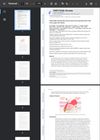
This study found that chemically induced skin tumors in mice predominantly originated from Lgr6 + and/or Lrig1 + stem cells of the upper hair follicle rather than from other stem cell populations.