7 citations
,
September 2011 in “International Journal of Dermatology”
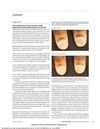
This study investigated demographic and clinical characteristics of twenty-naildystrophy in Korea, identifying differences in subtype and gender predominance between children and adults.
7 citations
,
January 2017 in “Annals of Dermatology”
This study found that among patients with twenty-naildystrophy, those treated with oral cyclosporine in combination with a dietary supplement showed significantly better improvement in nail condition and quality of life than those treated with the supplement alone.
44 citations
,
May 1980 in “Archives of Dermatology”
This case study discusses a patient with persistent 20-naildystrophy following alopecia areata, suggesting that "20-naildystrophy" describes a condition with multiple potential causes.
The user experienced increased hair thinning after switching from finasteride and minoxidil to dutasteride, despite some users suggesting it might be a temporary shedding phase. The user is considering using RU58841 but is unsure about its safety.
Finasteride and Dutasteride do not cause depression or "Post Finasteride Syndrome," with concerns often linked to the nocebo effect and preexisting mental health issues. The EU is unlikely to ban these drugs, but access may become more restricted due to ongoing debates.
PP405 may not need daily use like minoxidil, but finasteride might still be needed to maintain hair regrowth. PP405 reawakens dormant hair follicles, potentially offering a long-term solution, though not a permanent cure.
A 30-year-old female with PCOS and male pattern baldness is frustrated with her endocrinologist's recommendation of only Spironolactone and minoxidil, feeling that dutasteride, finasteride, and progesterone would be more effective. Other users suggest various online sources for treatments, warn against self-medicating due to potential risks, and recommend seeking a specialized endocrinologist or considering additional treatments like Inositol, Berberine, and dermaneedling.