Not medical advice or a treatment recommendation. Read the original study, and consult a qualified healthcare professional before changing treatment.Full disclaimer·
The conversation discusses androgeneticalopecia (AGA) and questions why treatments focus on lowering DHT levels instead of building resistance to it. It also touches on hair transplantation techniques using body hair.
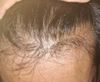
A 19-year-old male with no family history of androgeneticalopecia (AGA) is experiencing hair loss and considering using a topical minoxidil and finasteride mixture. Despite low vitamin D levels and normal DHT serum levels, he seeks confirmation of AGA before starting treatment.
The conversation discusses androgenicalopecia (AGA) and its treatments, focusing on finasteride, minoxidil, and ketoconazole shampoo. Finasteride is recommended as essential for preventing further hair loss.
Androgeneticalopecia is affected by scalp DHT levels, not sensitivity, with treatments like finasteride and dutasteride aiming to optimize these levels. Personalized DHT management is crucial for effective hair growth.
Finasteride and minoxidil are recommended as first-line treatments for hair loss, with dutasteride and oral minoxidil as stronger options if needed. Hair transplants should only be considered after achieving stability with medication, and non-surgical options are suggested if medications are ineffective.
The conversation discusses a hair loss treatment regimen involving finasteride, dutasteride, spironolactone, bicalutamide, oral estradiol, microneedling, and minoxidil. The regimen aims to reduce androgenicalopecia by blocking DHT and androgens, with a caution about potential feminizing effects.