Polycystic Ovarian Syndrome: Comprehensive Diagnosis and Treatment Approaches
October 2008
in “
The Journal for Nurse Practitioners
”
New to Metformin? There is a guide in the encyclopedia. Read the guide → 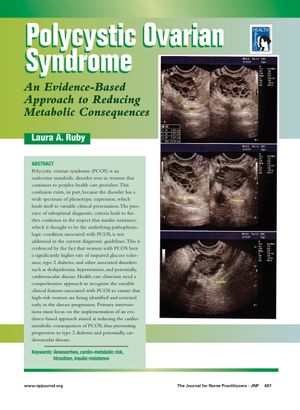
Studysummary This review discusses the challenges in diagnosing polycystic ovarian syndrome due to its variable clinical features and emphasizes the need for early identification and intervention to prevent metabolic complications, but reports no new clinical results.
Our plain-language summary. Not medical advice or a treatment recommendation. Consult a qualified healthcare professional before changing treatment. Full disclaimer
The 2008 document on Polycystic Ovarian Syndrome (PCOS) highlights the complexity of diagnosing and treating this endocrine metabolic disorder, which is characterized by symptoms such as menstrual irregularity, hyperandrogenism, and polycystic ovaries. It underscores the association of PCOS with insulin resistance and increased risk of metabolic conditions like type 2 diabetes and cardiovascular disease. The document recommends lifestyle interventions, particularly weight loss, to improve metabolic outcomes in obese women with PCOS. It also discusses the use of insulin sensitizers like metformin and thiazolidinediones, which can improve insulin sensitivity and menstrual regularity, although their effects on hirsutism are inconsistent. Metformin is favored due to its ability to reduce body weight and BMI without causing hypoglycemia, but it should be used in conjunction with lifestyle changes. The document calls for a comprehensive treatment approach that addresses both symptoms and underlying risks and advocates for further research to enhance the management of PCOS.