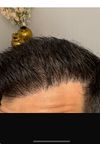
Congenital Hypotrichosis: Treatment With Topical Minoxidil and Hair Dye

    Shrutakirthi D Shenoi, C. R. Srinivas, C Balachandran
    TLDR Topical minoxidil and hair dye can improve hair density and appearance in congenital hypotrichosis.
    The document discussed a case of congenital hypotrichosis, a condition characterized by sparse hair, and its treatment using topical minoxidil and hair dye. The study highlighted the use of minoxidil, a medication known for promoting hair growth, as a topical treatment to improve hair density in individuals with this condition. Additionally, hair dye was used to enhance the cosmetic appearance of the hair. The report provided insights into the potential benefits of combining these treatments for managing congenital hypotrichosis, although it was based on a limited case study rather than a large-scale clinical trial.
    Discuss this study in the Community →

    Related Community Posts Join

    6 / 24 results

      community Is this Better Than Topical Minoxidil? Topical Diazoxide

      in Research/Science  6 upvotes 9 months ago
      Topical diazoxide may be a promising hair regrowth treatment, especially for those who don't respond to minoxidil, as it activates potassium channels without needing sulfation. It appears safe for topical use, avoiding systemic effects seen in oral use.

      community Creatine is the opposite of minoxidil !

      in Research/Science  325 upvotes 2 months ago
      Creatine may counteract minoxidil's hair growth effects by closing potassium ATP channels, potentially leading to hair loss in predisposed individuals. Despite anecdotal reports, there is no conclusive evidence linking creatine to hair loss.

      community Another transplant or SMP? (Not balding)

      in Transplants  27 upvotes 3 days ago
      The user is considering another hair transplant or scalp micropigmentation (SMP) for a congenital bald spot, but previous transplants were less effective due to scar tissue. Suggestions include using hair fibers, changing hairstyles, or doing nothing, as the spot is not very noticeable.

      community 31M. Just diagnosed with androgenic alopecia. Fears of min.

      in Finasteride/Dutasteride  12 upvotes 3 months ago
      A 31-year-old man with androgenic alopecia is considering treatments like finasteride, minoxidil, and ketoconazole shampoo but is worried about finasteride's side effects. Users recommend starting with finasteride or dutasteride for DHT blocking, suggesting topical solutions to reduce side effects.

    Related Research

    8 / 8 results