 40 citations
,
December 2006 in “Journal of The European Academy of Dermatology and Venereology”
40 citations
,
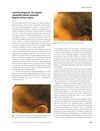
December 2006 in “Journal of The European Academy of Dermatology and Venereology” This article reports two cases where 2% topical minoxidil showed promise in treating traction alopecia, but it does not offer broader clinical conclusions.
19 citations
,
September 2005 in “International Journal of Dermatology” African-American hair's curl pattern significantly affects its strength and elasticity.
 115 citations
,
September 2005 in “International Journal of Dermatology”
115 citations
,
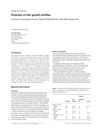
September 2005 in “International Journal of Dermatology” Different ethnic groups have unique hair growth patterns, with African hair growing slower and less dense, Asian hair growing fast but sparse, and Caucasian hair being densest; men are more likely to experience hair loss than women.
 44 citations
,
July 2005 in “Aesthetic Plastic Surgery”
44 citations
,
July 2005 in “Aesthetic Plastic Surgery” Hair transplantation successfully treated a woman's hair loss caused by a tight ponytail.
36 citations
,
April 2005 in “British journal of dermatology/British journal of dermatology, Supplement” In this study, modern radiation therapy techniques rapidly alleviated pain and improved symptoms in patients with severe dissecting cellulitis of the scalp, with no long-term toxicity observed.
 105 citations
,
April 2004 in “Dermatologic Therapy”
105 citations
,
April 2004 in “Dermatologic Therapy” This review discusses medical and surgical therapies for alopecias in Black women, focusing on the impact of hair-care practices and the importance of patient education, but reports no new clinical results.
88 citations
,
March 2004 in “Journal of Investigative Dermatology” 12 citations
,
March 2004 in “Journal of Investigative Dermatology” 203 citations
,
June 2003 in “Journal of the American Academy of Dermatology” This article reviews the structure and chemistry of hair across ethnicities and how these factors affect hair properties and treatment responses, but reports no new research findings.
51 citations
,
October 2002 in “Archives of dermatology” This case study of a patient with dissecting cellulitis of the scalp found that multiple medications, including isotretinoin, achieved only modest improvement, and symptoms returned after treatments were stopped.
96 citations
,
February 2002 in “Journal of the American Academy of Dermatology” This review covers the history, incidence, and treatment options for pseudofolliculitis barbae and presents new data, but reports no new clinical results.
294 citations
,
August 1999 in “Journal of the American Academy of Dermatology” This study observed that the majority of side effects from laser-assisted hair removal were associated with ruby and alexandrite lasers, particularly in patients with tanned or darker skin types.
25 citations
,
January 1999 in “Journal of cutaneous laser therapy” This report describes an African-American woman with pseudofolliculitis barbae, hirsutism, and associated postinflammatory hyperpigmentation who was effectively treated with a diode laser.
 44 citations
,
March 1991 in “International Journal of Dermatology”
44 citations
,
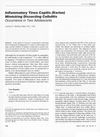
March 1991 in “International Journal of Dermatology” This article presents two cases of tinea capitis in postpubertal individuals highlighting the importance of early treatment to prevent scarring and permanent hair loss; it reports no new clinical results.