 August 2026 in “Journal of Pharmacology Genetics and Molecular Biology”
 This review evaluates androgenetic alopecia treatments, highlighting both current options like minoxidil, finasteride, and low-level light therapy, and emerging therapies such as platelet-rich plasma and complex combination treatments, noting their potential and challenges.
 November 2023 in “Cell Proliferation”
 This study found that adipose-derived stem cells with DKK1 knocked out using CRISPR/Cas9 promoted hair growth in an alopecia areata model more effectively than untreated stem cells, suggesting DKK1 is a potential therapeutic target for this condition.
 January 2024 in “International Journal of Molecular Sciences”
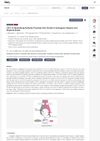
 This study found that subcutaneous injection of a CXCL12 neutralizing antibody significantly promoted hair growth in androgenic alopecia and inhibited hair loss in alopecia areata in mouse models, suggesting its potential as a promising treatment for hair loss.
 16 citations
,
June 2021 in “Journal of Dermatological Treatment”
16 citations
,
June 2021 in “Journal of Dermatological Treatment” This study reported that while topical minoxidil exhibits hair regrowth in androgenetic alopecia, oral minoxidil 5 mg/day was more effective than topical forms after six months, with low doses also potentially effective for women and other hair loss types.
 7 citations
,
December 2022 in “Plants”
7 citations
,
December 2022 in “Plants” This study suggests that guava leaf extract may inhibit hair loss by downregulating genes involved in androgen synthesis, potentially offering a natural alternative for treating androgenetic alopecia.