What happens to the excess testosterone after using dut? Finasteride/Dutasteride 11/26/2024
Using dutasteride or finasteride can increase free testosterone, which may convert to estradiol, potentially causing side effects like increased estrogen levels. Individual responses vary, and some users report changes in cholesterol, hair texture, and side effects like gyno or increased sex drive.
View this post in the Community →
Similar Community Posts Join
5 / 5 resultscommunity Estradiol (E2), Testosterone and DHT levels after 1 month on Dutasteride
Dutasteride and finasteride are used for hair loss, affecting hormone levels like DHT and testosterone. Hormone balance is crucial, as changes can lead to side effects such as increased estradiol and potential hair loss.
community Testosterone and Estradiol levels on 1 mg/day dutasteride
A 30-year-old man experienced significant hair regrowth and improved libido after using finasteride and dutasteride for androgenetic alopecia, with no adverse effects. He plans to reduce dutasteride dosage when trying to conceive and has been using topical minoxidil since 2015.
community Is ED after taking Fin or Dut caused by less DHT or an increase in Estrogen/Estradiol
Finasteride and dutasteride may cause erectile dysfunction due to reduced DHT, affecting nitric oxide and sexual function. Some suggest using aromatase inhibitors to address side effects, while others believe individual sensitivity to DHT reduction varies.
community Finasteride has increased my Estradiol (estrogen) levels by 51% percentage
Finasteride increased the user's estrogen levels by 51%, causing concerns about gynecomastia and sleep issues. Despite potential side effects, the user prefers continuing finasteride to prevent hair loss, considering it essential for self-esteem.
community Fin raised my estrogen but also testosterone?
A user experienced initial side effects from finasteride, including erectile dysfunction and emotional changes, but later noticed increased muscle mass and assertiveness. Hormonal tests showed elevated estrogen and prolactin levels, which slightly decreased over time; the user plans lifestyle changes to see if they help.
Related Research
6 / 6 results
research Do 5α-Reductase Inhibitors Raise Circulating Serum Testosterone Levels? A Comprehensive Review and Meta-Analysis to Explaining Paradoxical Results
In this review and meta-analysis, the authors concluded that 5α-reductase inhibitor therapy is not consistently associated with significant increases in serum testosterone levels in men.
research OR09-5 Importance of Islet Intracrinology for Glucose-Stimulated Insulin Secretion (GSIS) in the Male
This study found that in male mouse pancreatic islet β cells, testosterone enhances glucose-stimulated insulin secretion by being locally converted into dihydrotestosterone and estradiol.
research Steroid Hormones
This article discusses the various roles of steroids in vertebrate organ systems and notes several glucocorticoids that were among the Top 200 Drugs by sales in the 2010s, but it reports no new clinical findings.
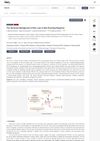
research The Hormonal Background of Hair Loss in Non-Scarring Alopecias
This review examines the hormonal causes of hair loss, noting how androgen excess can lead to follicle miniaturization and linking estrogen deficiency and thyroid dysfunction to common alopecia types. It further discusses hormonal treatments such as finasteride, dutasteride, and spironolactone.

research Testosterone Metabolism in Human Skin Cells in vitro and Its Interaction with Estradiol and Dutasteride
This study found that dutasteride completely suppressed the formation of 5alpha-dihydro metabolites in cultured human skin cells, suggesting its potential use in acne and androgenetic alopecia.

research The 5α-reductase inhibitor Dutasteride but not Finasteride protects dopamine neurons in the MPTP mouse model of Parkinson’s disease
This study found that Dutasteride, a 5α-reductase inhibitor, demonstrated neuroprotective effects by preventing the MPTP-induced decline of dopaminergic markers in a Parkinson's disease mouse model.