22M High Estrogen after blood test Finasteride/Dutasteride 2/1/2026
A 22-year-old male with high estrogen levels is considering finasteride for hair loss but is concerned about potential side effects due to his hormone levels and family history of diabetes. Users suggest consulting a doctor, possibly an endocrinologist, and considering lifestyle changes like diet and exercise to address visceral fat and insulin resistance before starting treatment.
View this post in the Community →
Similar Community Posts Join
5 / 1000+ resultscommunity Yes your lifestyle and diet has its role in hair loss.
Diet and lifestyle changes can reduce hair shedding but won't regrow hair lost to genetic male pattern baldness. Treatments like finasteride and dutasteride are necessary for significant hair regrowth.

community 22M Seeking Advice: Gyno, Insulin Resistance and Hair Loss Solutions
A 22-year-old is experiencing hair loss and anxiety, trying treatments like topical finasteride, rosemary oil, caffeine, microneedling, low-level laser therapy, scalp massages, ketoconazole shampoo, and various vitamins. They are concerned about potential gynecomastia and are considering using minoxidil if current treatments don't stop hair loss or promote regrowth.
community The Ultimate Guide to growing your hair back (revised).
Hair loss treatments include using finasteride, dutasteride, and RU58841. Lifestyle changes like increasing carb intake and moderate alcohol consumption are suggested to boost estrogen levels.
community Bloodwork after 8 months on finasteride, is this normal?
A user on finasteride for 8 months shared bloodwork results showing increased testosterone and estradiol levels, with concerns about high LH. Responses advised monitoring for symptoms but noted levels are within reference ranges.
community Why do we have head hair in first place if we evolved to start losing it in some cases as soon as puberty hits
Hair loss is influenced by genetics and sensitivity to hormones like DHT. Treatments like Minoxidil and finasteride are commonly used, and baldness persists as it doesn't affect reproductive success.
Related Research
6 / 1000+ results
research Pharmacological Options for Treatment of Hyperandrogenic Disorders
Different drugs can treat high male hormone levels in women, but they have various effects and some may harm a fetus.
research Negative Impact of Testosterone Deficiency and 5α-Reductase Inhibitors Therapy on Metabolic and Sexual Function in Men
Low testosterone and 5α-reductase inhibitors can harm men's metabolic and sexual health; testosterone therapy may help, but discussing 5α-RIs' side effects is important.
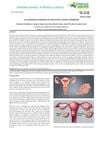
research AN UPDATED OVERVIEW OF POLYCYSTIC OVARY SYNDROME
Polycystic Ovary Syndrome (PCOS) is a hormonal disorder in women that can cause infertility and other health issues, and it may be improved by treatments that increase insulin sensitivity.
research The polycystic ovary syndrome: a position statement from the European Society of Endocrinology
The European Society of Endocrinology advises individualized long-term management for PCOS, focusing on lifestyle changes, accurate diagnosis, and treatments for associated health risks and symptoms.

research The Role of Hormones in Hidradenitis Suppurativa: A Systematic Review
Hormone imbalance is linked to Hidradenitis Suppurativa, a skin condition, and treatments like anti-androgenic therapy and metformin can help. It's also suggested to check patients for insulin resistance and Polycystic Ovary Syndrome.
research Is dehydroepiandrosterone a hormone?
Dehydroepiandrosterone (DHEA) is a prohormone important for producing sex steroids and has potential health benefits.