Increased Coffee intake resulted in massive shed Finasteride/Dutasteride 11/2/2024
Increased coffee intake might be linked to hair shedding, but the cause is unclear. The user is on finasteride and has increased water intake, possibly affecting electrolyte balance.
View this post in the Community →
Similar Community Posts Join
5 / 318 resultscommunity Creatine, my hair loss, and my DHT levels. An anecdote with lab values.
Increased hair loss after starting a 10g daily creatine regimen, possibly linked to elevated DHT levels despite dutasteride use. Stopping creatine reduced shedding, but the exact cause is uncertain, with discussions on exercise and lifestyle impacts.
community Lowering dose of Oral Minoxidil?
The user plans to lower their oral minoxidil dose from 5 mg to 2.5 mg to reduce side effects like puffiness and hypertrichosis, while also using finasteride and accutane. They are considering caffeine serums for puffiness and discussing dietary changes or switching to topical minoxidil to address bloating.
community 3 months of hair treatment! I think I’m hyper responsive to my treatment. Finasteride, biotin pills, derma roller with rosemary/jojoba oil applied after, coffee in the morning for caffeine . No diet or alcohol consumption changes.
The user reports significant hair regrowth after three months using finasteride, biotin pills, a derma roller with rosemary/jojoba oil, and drinking coffee, despite an initial increase in hair shedding. Other users share varied results with similar treatments, with some not experiencing improvements.
community Why is no one talking about coffee and TE/hairloss?
The conversation discusses hair loss and its potential link to caffeine consumption, with the original poster experiencing increased shedding after consuming more coffee. They mention being a non-responder to finasteride and plan to reduce coffee intake, while others suggest various factors like stress, physical exertion, and medication changes could also contribute to hair loss.
community 3 month treatment progress pictures
The user shared their 3-month progress using 2.5mg oral minoxidil, 0.5mg dutasteride, 5mg biotin, and a saw palmetto, green coffee, and menthol shampoo, reporting no hair shedding and some unwanted hair growth on the beard and back. They recommend starting with finasteride or dutasteride, especially for those under 18, and noted no side effects from their treatment.
Related Research
6 / 685 results
research Dermatologic Manifestations of Polycystic Ovary Syndrome
Women with PCOS often have skin problems like excessive hair, acne, hair loss, and dark patches, which can be treated with hormonal and non-hormonal therapies.
research Drug Information Analysis Service
Cromolyn sodium's effectiveness for treating asthma in children under 2 is unclear, possibly more beneficial for older children, and further research is needed.
research Protective Role of Nutritional Plants Containing Flavonoids in Hair Follicle Disruption: A Review
Some plants with flavonoids may help treat hair loss and promote hair growth.
research Follicular Unit Hair Transplantation
Follicular Unit Transplantation is a precise hair restoration technique that requires careful planning and a skilled team, and Follicular Unit Extraction offers a less invasive option.
research Hair Growth Promotion and Anti-Hair Loss Effects of By-Products Arabica Coffee Pulp Extracts Using Supercritical Fluid Extraction
Arabica coffee pulp extract may help prevent hair loss and promote hair growth.
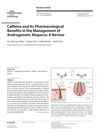
research Caffeine and Its Pharmacological Benefits in the Management of Androgenetic Alopecia: A Review
Caffeine improves hair growth, thickness, and reduces shedding.