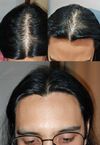
M32, almost 3 moths, fin oral 1,25g/daily + min 2xday + keto 2% shapoo 1/week microneedling once a week Progress Pictures 11/23/2023
A 32-year-old man has been treating his hair loss with daily oral finasteride (1.25g), twice-daily topical minoxidil, weekly ketoconazole 2% shampoo, and weekly microneedling for almost three months, with no side effects from finasteride. He started with a Hamilton Norwood scale rating of 5 and has seen improvement without experiencing pain by using a 0.8mm needle length for microneedling.
View this post in the Community β
Similar Community Posts Join
5 / 5 resultscommunity Started fin + advice needed (19m)
A 19-year-old using finasteride for hair loss seeks advice on additional treatments. Suggestions include microneedling, minoxidil, and ketoconazole shampoo, with concerns about side effects discussed.
community 8 mos: oral (Du, Min), topical (Min, Ru, Ketoconazole), microneedling. NW7 for 7 years
A user's success in hair regrowth after taking oral and topical medications, such as minoxidil and dutasteride, and using microneedling. Other users shared their experiences and advice with treatments used to reverse hair loss.
community Update: 4 Month progress on Fin/Min plus dermaroller
A user shared a 4-month update on their hair regrowth progress using finasteride, minoxidil, a dermaroller, ketoconazole shampoo, multivitamins, and biotin, and received positive reactions and inquiries from others. They also mentioned lifestyle changes such as quitting creatine, alcohol, and smoking, which may have contributed to their success.
community After 11 Years On Finasteride, Unfortunately, Hair Is Starting To Thin Again. Does Hair Simply Get More Sensitive To DHT As You Age?
After 11 years on Finasteride, a user's hair is thinning again, suggesting hair may become more sensitive to DHT with age. They plan to introduce Dutasteride once a week, as they cannot tolerate Minoxidil.
community Compressed part of research of theory of androgenic/anabolitic balance. AGA h-responders analytic. Theory of physio-metabolitic method of anti AGA treatment
The treatment for androgenetic alopecia involves using finasteride and minoxidil with intense exercise and cold exposure to boost metabolism and reduce androgenic effects, potentially leading to hair regrowth. This approach may activate biological pathways for improved hair and overall health.
Related Research
6 / 6 results
research Managing patterned hair loss β a hair raising task!
This review summarizes existing knowledge on diffuse and patterned alopecia, emphasizing recent advancements in treatment beyond FDA-approved options, but it reports no new clinical findings.
research A decade of progress in androgenetic alopecia management: Emerging therapies and multimodal strategies
This review reports that the treatment of androgenetic alopecia is shifting from single therapies to personalized, multimodal approaches incorporating both traditional and emerging pharmacologics, regenerative strategies, nutraceuticals, cosmeceuticals, and device-based interventions, with combination regimens showing improved outcomes.
research Androgenetic Alopecia: update on Etiology, Pathophysiology, Diagnosis and Treatment
In this review, the authors explored current and novel treatment options for androgenetic alopecia, noting both FDA-approved pharmacologic treatments like Minoxidil and Finasteride and various non-pharmacologic and surgical methods, including hair transplantation and scalp micro-pigmentation.
research The effectiveness of combination therapies for androgenetic alopecia: A systematic review and metaβanalysis
This study suggests that combination therapies including minoxidil with either finasteride, low-level laser light therapy, or microneedling are more effective than minoxidil alone for treating androgenetic alopecia.
research Treatment options for androgenetic alopecia: Efficacy, side effects, compliance, financial considerations, and ethics
This review discusses treatment options for androgenetic alopecia, highlighting the need for personalized, evidence-based approaches but reports no new clinical results.
research Androgenetic alopecia; drug safety and therapeutic strategies
This review discusses androgenetic alopecia management with 5Ξ±-reductase inhibitors, emphasizing that while dutasteride shows superior efficacy, finasteride is suggested as preferable due to predictable adverse effects and preservation of physiological roles.