Diffuse thinning is a curse. You don't realize it's happening until way too late. Chat 10/9/2024
Diffuse hair thinning and treatments like finasteride and minoxidil. Early detection and treatment are crucial for effective management.
View this post in the Community →
Similar Community Posts Join
6 / 6 resultscommunity Marijuana and hair loss?
The conversation discusses the potential impact of marijuana on hair loss, with some users suggesting it may worsen hair loss due to hormonal changes, while others believe it might alter perception rather than cause actual thinning. The original poster uses Propecia (finasteride) and Rogaine (minoxidil) for treatment and is considering quitting marijuana to see if it affects hair health.
community 2020 updated guide for "I'm losing my hair, what do I do?". I've been taking Propecia for 12 years, and you can AMA.
Hair loss treatments discussed include Propecia, Rogaine, Nizoral shampoo, and dermarolling. Users shared experiences and results, with some noticing improvements in hair growth and maintenance.
community No regrowth after oral min, topical fin, min, and tret: Aggressive diffuse/hairline recession in 2 years
A user experienced no hair regrowth after using oral minoxidil, topical finasteride, minoxidil, and tretinoin, and reported side effects from oral finasteride. They are considering switching to dutasteride or using hair fibers for better results.
community Husband (35) is thinning on top, he doesn't know yet. Trying to research so he won't feel so lost or upset when I tell him. Help a girl out?
A woman is concerned about her husband's hair thinning and researches treatments like finasteride and minoxidil. He decides against medication due to potential side effects and plans to shave his head if necessary.
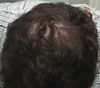
community Thinning in Hairline and Vertex - What do I do?
A 25-year-old male is experiencing hair thinning at the hairline and vertex, considering using a dermapen or dermastamp, and seeking advice on whether to continue with natural remedies like onion juice and rosemary oil or start using minoxidil or finasteride. He is also looking for recommendations on microneedling devices.
community Why is minoxidil the “regrowth stimulant” and finasteride “the maintenance”, when official studies show more growth on finasteride ?
Finasteride is more effective for long-term hair maintenance by addressing the root cause of hair loss, while minoxidil acts as a growth stimulant with faster visible results. Combining both treatments is optimal, with oral minoxidil often showing better results for some individuals.
Related Research
6 / 6 resultsresearch 63-Year-Old Female with Diffuse Thinning of the Hair
This article reviews treatments for androgenetic alopecia and reports no new clinical findings; it highlights interest in therapies like platelet-rich plasma and laser therapy, indicating potential for further research.
research Self-Assessments of Standardized Scalp Massages for Androgenic Alopecia: Survey Results
This study found that standardized scalp massages may help stabilize or regrow hair in individuals with androgenic alopecia, as perceived by the participants themselves.
research Age-related hair changes in men: Mechanisms and management of alopecia and graying
This review discusses the mechanisms and treatment strategies for age-related hair changes, such as androgenetic alopecia and hair graying, and reports no new clinical results.
research Androgenetic Alopecia
Most older adults experience pattern hair loss due to shrinking hair follicles, with men and women showing different balding patterns.
research Case Report: Paired vertex-occipital assessment reveals donor-area involvement in diffuse unpatterned alopecia
This study reported that two male patients with diffuse unpatterned alopecia exhibited donor-area involvement in both the vertex and occiput, challenging the assumption of occipital stability for hair transplantation, and showed partial improvement following treatment with oral finasteride and topical minoxidil.
research Managing patterned hair loss – a hair raising task!
This review summarizes existing knowledge on diffuse and patterned alopecia, emphasizing recent advancements in treatment beyond FDA-approved options, but it reports no new clinical findings.