Are these safe levels to start taking Finasteride (M, 25)? 5/26/2023
The conversation discusses concerns about starting finasteride with low testosterone levels, with one person suggesting finasteride might increase testosterone and decrease DHT, and another advising to pay attention to thyroid-stimulating hormone (TSH) levels.
View this post in the Community →
Similar Community Posts Join
5 / 5 resultscommunity Pre-Finisteride DHT & Hormone Blood Panel
The conversation discusses the cost and insurance coverage of a comprehensive hormone and DHT blood panel for hair loss, with a focus on finasteride treatment. The user seeks a cheaper alternative to a $700 panel recommended in a video.
community Hormone tests to decide on oral fin
The conversation discusses starting low-dose oral finasteride for hair loss, considering hormone levels and potential side effects like gynecomastia. Suggestions include using DIM for estradiol, vitamin B6 for prolactin, and lifestyle changes to optimize hormone profiles before starting treatment.
community Interpreting pre-finisteride blood panels
The conversation is about someone planning to start finasteride for hair loss and wanting to interpret pre-treatment blood panels to assess the risk of side effects like gynecomastia. They list various tests to measure hormone levels and other health indicators.
community What are your thoughts on pre-finasteride blood work?
The user is considering resuming finasteride after a 6-month break and is debating the necessity of extensive blood work, including hormone and health markers, to establish a baseline. They are unsure if the tests are necessary since they experienced no side effects previously.
community 16 months finasteride progress but slowly losing hair again
A 21-year-old male experienced initial success with finasteride for 16 months but is now losing hair again. He is considering switching to dutasteride and adding oral minoxidil, while also investigating environmental and health factors.
Related Research
6 / 6 results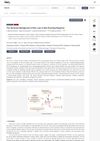
research The Hormonal Background of Hair Loss in Non-Scarring Alopecias
This review examines the hormonal causes of hair loss, noting how androgen excess can lead to follicle miniaturization and linking estrogen deficiency and thyroid dysfunction to common alopecia types. It further discusses hormonal treatments such as finasteride, dutasteride, and spironolactone.

research Finasteride versus cyproterone acetate-estrogen regimens in the treatment of hirsutism
This study found that both finasteride and a regimen of cyproterone acetate plus ethinyl estradiol effectively reduced hirsutism in women, with similar results despite differing hormonal effects.

research Prostate-Sparing Effects in Primates of the Potent Androgen 7α-Methyl-19-Nortestosterone: A Potential Alternative to Testosterone for Androgen Replacement and Male Contraception1
This study found that MENT is 10 times more potent than testosterone in suppressing gonadotropins and contributing to anabolism in monkeys, with a potentially wider therapeutic index for human androgen replacement and male contraception.
research Finasteride for female androgenetic alopecia
Finasteride increases hair density in female androgenetic alopecia, but individual results may vary.

research Skin diseases in consequence of endocrine alterations
This review discusses various skin diseases with endocrinological origins and reports no clinical results, highlighting the need for interdisciplinary understanding in diagnosis.

research Management of Androgenetic Alopecia in Postmenopausal Women
This review discusses clinical variations, laboratory testing, and treatments for female-pattern alopecia, including finasteride, but reports no new clinical findings; the authors emphasize managing stress and psychological impacts.