3 months on finasteride and hair density IS decreasing Finasteride/Dutasteride 4/15/2026
Finasteride can cause initial hair shedding as part of the treatment process, which is normal and often leads to regrowth of healthier hair. Users discuss experiencing multiple shedding phases and emphasize patience, as results can take several months to become noticeable.
View this post in the Community →
Similar Community Posts Join
6 / 6 resultscommunity AGA/male pattern baldness and loss of hair in the past 6months
A 25-year-old male experienced significant hair loss due to telogen effluvium and androgenetic alopecia. He began using finasteride, minoxidil, and vitamins, seeing some regrowth but remains worried about hair density.
community Does ketokonazole on its own improve androgenetic alopecia?
Ketoconazole can slightly improve hair density and is best used as an adjunct to treatments like finasteride and minoxidil. It helps with scalp health but won't stop androgenetic alopecia on its own.
community Could finasteride make me lose more hair than I would normally?
Finasteride may cause initial shedding, but it's part of the process for stronger hair growth. Users suggest starting treatment and trusting the process, as it can improve hair density over time.
community Hair regrowth without drugs (99% natural) 25M
A user shared their experience with hair regrowth using supplements like NAC and DIM, and briefly using minoxidil with microneedling. They reported some improvement in hair density, but the community questioned the effectiveness compared to traditional treatments like finasteride.
community Female, 27 years old, shedding/ balding despite being on what is considered to be a effective treatment plan for AGA. Considering Dut (oral) . Please help.
A 27-year-old woman with androgenic alopecia is losing hair despite using oral minoxidil and spironolactone, and is considering dutasteride. She is exploring causes like stress and medication side effects, planning tests, and considering treatment changes.
community A Logical, Step-by-Step Guide to Managing Androgenetic Alopecia (No BS)
Finasteride and minoxidil are recommended as first-line treatments for hair loss, with dutasteride and oral minoxidil as stronger options if needed. Hair transplants should only be considered after achieving stability with medication, and non-surgical options are suggested if medications are ineffective.
Related Research
6 / 6 results
research Hair diameter vs. hair density in male androgenetic alopecia
Hair loss is due to thinner hairs, not less hairs; hair diameter indicates balding progression and treatment effectiveness.

research Superiority of dutasteride over finasteride in hair regrowth and reversal of miniaturization in men with androgenetic alopecia: A randomized controlled open-label, evaluator-blinded study
In this study of men with androgenetic alopecia, dutasteride was shown to be more effective than finasteride in increasing hair count and reversing hair miniaturization over 24 weeks, with both treatments displaying similar side effect profiles.
research B‐ RAF , naevi and melanoma: a complex relationship
Male hair loss is mainly due to thinner hair, not less hair.
research Androgenetic alopecia. Modelling progression and regrowth
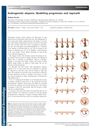
This commentary discusses the mechanisms of progression and potential regrowth in androgenetic alopecia, indicating that the initiation of anagen in kenogen follicles is more critical for hair density improvement than reversing follicle miniaturization.

research Oral and Topical Administration of a Standardized Saw Palmetto Oil Reduces Hair Fall and Improves the Hair Growth in Androgenetic Alopecia Subjects – A 16-Week Randomized, Placebo-Controlled Study
This study found that both oral and topical formulations of VISPOTM, a saw palmetto oil, significantly reduced hair fall and increased hair density in subjects with androgenetic alopecia, with no serious adverse effects observed.

research HAIR DISEASES
This article reviews common causes of hair loss, noting that a well-directed history and examination are often sufficient for diagnosis, and reports no new clinical findings.