22 M / Thinning hair, want some natural remedies/tips 11/8/2022
A 22-year-old male experiencing thinning hair seeks natural remedies, avoiding minoxidil and finasteride due to potential side effects. Suggestions include using rosemary oil with microneedling, vitamins, and considering minoxidil for regrowth, while others emphasize finasteride as the most effective option for maintaining hair.
View this post in the Community →
Similar Community Posts Join
5 / 5 resultscommunity "Nah bro, I don't need finasteride! I'll just use saw palmetto and rosemary oil!"
People often turn to natural remedies like saw palmetto and rosemary oil for hair loss, but these are not as effective as FDA-approved treatments like finasteride and minoxidil. Some users express concerns about potential side effects of finasteride, while others share positive experiences with it.
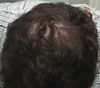
community Thinning in Hairline and Vertex - What do I do?
A 25-year-old male is experiencing hair thinning at the hairline and vertex, considering using a dermapen or dermastamp, and seeking advice on whether to continue with natural remedies like onion juice and rosemary oil or start using minoxidil or finasteride. He is also looking for recommendations on microneedling devices.
community Have people with aggressive balding genetics genuinely had any results after applying any natural remedies ie:rosemary oil,coconut oil,Onion Juice etc
Natural remedies like rosemary oil, coconut oil, and onion juice are generally seen as less effective compared to medical treatments like finasteride, minoxidil, and microneedling. Some users believe natural oils can help, but modern medicine is often more reliable.
community early 20s, hair thinning, looking for natural remedies not expensive soaps
The user is experiencing hair thinning and prefers natural remedies over expensive shampoos. Other users suggest that natural remedies are ineffective and recommend medications like minoxidil and finasteride, while also considering diet and lifestyle changes.
community Rosemary oil works. I definitely does
Rosemary oil is claimed to slow hair loss and improve hair thickness, but its effectiveness is debated, with some users preferring proven treatments like minoxidil and finasteride. Lifestyle factors and consistent use are suggested to enhance results, though skepticism about natural remedies remains.
Related Research
6 / 6 results
research A Systemic Review on Topical Marketed Formulations, Natural Products, and Oral Supplements to Prevent Androgenic Alopecia: A Review
This review discusses current topical treatments, natural products, and complementary therapies for androgenetic alopecia, but it reports no new clinical results.

research Pathophysiology, conventional treatments, and evidence-based herbal remedies of hair loss with a systematic review of controlled clinical trials
This literature review reports that certain herbal remedies, such as rosemary, green tea, and ginseng, have shown promise in promoting hair growth and improving hair density, though variability and study design limitations highlight the need for more rigorous research.
research Hair Growth: Focus on Herbal Therapeutic Agent
This review discusses various plants and herbal formulations traditionally used for hair growth and notes their potential as safer alternatives to synthetic hair loss treatments, but reports no new clinical results.

research An Overview of Commonly Used Natural Alternatives for the Treatment of Androgenetic Alopecia, with Special Emphasis on Rosemary Oil
This review discusses various herbal alternatives, including rosemary oil and others, for managing androgenetic alopecia but reports that more research is needed to confirm the efficacy of these natural remedies.

research Botanical drug preparations for alleviating hair loss in menopausal women: a global ethnopharmacological mini-review
This mini-review examines ethnopharmacological approaches to manage hair loss in postmenopausal women, highlighting promising botanical remedies like saw palmetto, rosemary oil, and ginseng. The authors underscore a need for more interdisciplinary trials and focus on traditional remedies' multifaceted benefits, while noting gaps in menopausal-specific evidence.

research A Qualitative Review of Misinformation on Alopecia
This study reported that online misinformation about alopecia is widespread, with myths including incorrect causes, criticism of conventional treatments, and promotion of unproven "natural" remedies, which could negatively affect patient outcomes.