18 months of finasteride and 3 months of minoxidil, 34 years old. 5/25/2025
A 34-year-old has been using finasteride for 18 months and minoxidil for 3 months, along with ketoconazole shampoo, supplements, and microneedling, to address hair loss. They report stabilized hair loss, thicker hair in previously miniaturized areas, and new hair growth along the hairline.
View this post in the Community →
Similar Community Posts Join
6 / 6 resultscommunity 3 months progress with Finasteride 0.5mg/daily, Minoxidil foam5% 2x daily, Stemoxydine 2x daily, Microneedling(M8) 1.5mm 1x per week, Saw Palmetto 400mg/day, peppermint and jojoba oils daily, Ketoconazole 2% shampoo 3x/week, Purador shampoo/conditioner every day.
Jordan-Iliad has been using a combination of finasteride, minoxidil, stemoxydine, microneedling, saw palmetto, peppermint and jojoba oils, ketoconazole shampoo, and Purador shampoo/conditioner for 3 months to treat their hair loss with stunning results. They have also recently started taking oral minoxidil 1.25mg/day in hopes of achieving even better results over the next 3 months.
community Almost 9 months on Fin / Min / Microneedling and Ketoconazole shampoo
The conversation is about a user's experience with hair loss treatments, specifically using finasteride, minoxidil, microneedling, and ketoconazole shampoo. The user reports improvements after almost nine months, with no side effects, and discusses the shedding process and expectations for results.
community Two months of treatment, finasteride and topical minoxidil, ketanozole shampoo, microneedling
The user has been treating hair loss for two months using 5% minoxidil, 0.25% topical finasteride, ketoconazole 1% shampoo, and microneedling. They report visible progress and plan to continue the treatment.
community Minox. 2.5 percent, Finasteride 1.25mg, Microneedling 1.5 mm, Ketoconazole shampoo and Biotin. Got better until it didn’t. Should I start dutasteride and Ru?
User experiencing hair loss tried Minoxidil, Finasteride, Microneedling, Ketoconazole shampoo, and Biotin. Others suggest continuing current treatment for 1-2 years before considering Dutasteride and RU58841.
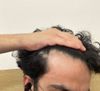
community 21M early hair loss — Fin only or Fin+Min? Anyone regret skipping minoxidil?
A 21-year-old with early hair loss is considering starting finasteride, either orally or topically, and is unsure about adding minoxidil due to concerns about commitment and effectiveness. They plan to start with microdosing finasteride, possibly adding minoxidil later, and will also try microneedling, rosemary oil, castor oil, and ketoconazole shampoo.
community 3 months diference... min/fin microneedling and ketoconazole shampoo
The conversation discusses a 3-month update on using topical minoxidil, finasteride, microneedling, and ketoconazole shampoo for hair loss. Users express amazement at the progress and congratulate the original poster.
Related Research
6 / 6 results
research Managing patterned hair loss – a hair raising task!
This review summarizes existing knowledge on diffuse and patterned alopecia, emphasizing recent advancements in treatment beyond FDA-approved options, but it reports no new clinical findings.

research Androgenetic Alopecia: update on Etiology, Pathophysiology, Diagnosis and Treatment
In this review, the authors explored current and novel treatment options for androgenetic alopecia, noting both FDA-approved pharmacologic treatments like Minoxidil and Finasteride and various non-pharmacologic and surgical methods, including hair transplantation and scalp micro-pigmentation.

research Androgenetic alopecia: An update
This study describes androgenetic alopecia as a common non-scarring hair loss condition primarily influenced by genetic factors and androgen sensitivity, notably impacting psychosocial well-being, especially in females and younger males seeking treatment.

research A Canadian Consensus on Androgenetic Alopecia: Approach and Management
This expert panel review developed consensus recommendations for managing androgenetic alopecia in Canadian adults, endorsing seven interventions like oral and topical medications and platelet-rich plasma.

research Sulfotransferase SULT1A1 activity in hair follicle, a prognostic marker of response to the minoxidil treatment in patients with androgenetic alopecia: a review
This review discusses the potential of using SULT1A1 expression in the scalp as a biomarker to predict response to minoxidil treatment for androgenetic alopecia, but reports no new clinical results.

research Female pattern hair loss: A clinical, pathophysiologic, and therapeutic review
This article discusses treatments for female pattern hair loss, highlighting that oral antiandrogens and topical minoxidil can effectively arrest progression and reverse miniaturization in many patients with mild-to-moderate cases, but it reports no new clinical results.