10-Months of 1.25mg Fin EOD No Minoxidil | 23M 9/21/2025
A 23-year-old male used 1.25mg finasteride every other day for 10 months without minoxidil, noticing results at the 4-month mark and experiencing a minor shed at the 8-month mark. He also added Nizoral to his routine and reported no side effects, maintaining consistent use at 7:00 PM.
View this post in the Community →
Similar Community Posts Join
6 / 6 resultscommunity DHT Harms Scalp Microbiome: DHT Itch is REAL
Increased Malassezia and Cutibacterium in the scalp microbiome are linked to higher sebum production and inflammation in androgenetic alopecia (AGA). Treatments include ciclopirox shampoo, benzoyl peroxide shampoo, clobetasol propionate, calcipotriol, minoxidil, finasteride, and dutasteride.
community DHT Itch is real. The connection between Acne and Male Pattern Baldness shows this
The conversation discusses the link between seborrheic dermatitis, acne, and male pattern baldness, suggesting that DHT may cause both skin conditions and hair loss. Treatments mentioned include RU58841, finasteride, dutasteride, minoxidil, Nizoral shampoo, and other topical anti-androgens.
community Experience with only Minoxidil and Nizoral
Minoxidil and Nizoral alone are unlikely to stop hair loss effectively, as they do not address the root cause, which is often DHT. Many users suggest incorporating a 5AR inhibitor like finasteride or dutasteride for better results, despite concerns about potential side effects.
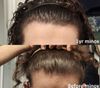
community Progress in miniaturization or time to go to a psychiatrist?
A 21-year-old is concerned about androgenic alopecia and has been using minoxidil for a year, noticing some stabilization in the hairline but fears using it on the whole scalp due to seborrheic dermatitis. Another person suggests considering a psychiatrist for stress management, using Nizoral shampoo, and possibly trying a small dose of finasteride.
community Does ketokonazole on its own improve androgenetic alopecia?
Ketoconazole can slightly improve hair density and is best used as an adjunct to treatments like finasteride and minoxidil. It helps with scalp health but won't stop androgenetic alopecia on its own.
community Best science-backed supplements for androgenetic alopecia? Looking for real evidence
The conversation discusses treatments for androgenetic alopecia, focusing on evidence-based supplements to complement finasteride. Suggestions include oral minoxidil, saw palmetto, pumpkin seed oil, tocotrienols, and various other supplements, while emphasizing the importance of scientific backing and cautioning against saw palmetto if already using finasteride.
Related Research
6 / 6 resultsresearch Therapy of alopecia
This review discusses various substances used in the treatment of alopecia, highlighting the roles of minoxidil and finasteride, but reports no new experimental findings.

research Treatment of Hyperandrogenic Alopecia in Women
Hair loss in women can be treated with hormone therapy.
research Topical Antiandrogen Therapies for Androgenetic Alopecia and Acne Vulgaris
This review discusses the potential efficacy of topical antiandrogen therapies for treating androgenetic alopecia and acne vulgaris, finding promising results but highlighting the need for more comprehensive studies.
research Topical solutions for androgenetic alopecia: evaluating efficacy and safety
This review evaluates various topical treatments for androgenetic alopecia but does not provide new clinical findings, emphasizing the need for selecting therapies with limited systemic side effects.
research Pilot Study of 15 Patients Receiving a New Treatment Regimen for Androgenic Alopecia: The Effects of Atopy on AGA
This pilot study found that a novel regimen including NuH Hair led to significant hair growth in male patients with androgenic alopecia, regardless of atopy status, with quicker results when additional treatment components were used.
research Comparative Efficacy of Various Treatment Regimens for Androgenetic Alopecia in Men
This study found that combining oral finasteride with topical minoxidil resulted in the greatest improvement in hair growth for male patients with androgenetic alopecia, compared to using any single treatment.