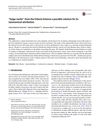
This study evaluated herbal cosmetic products used in Turkiye, identifying 140 plant species and highlighting walnut, common nettle, and grape as popular for various traditional uses.
June 2025 in “International Journal for Research in Applied Science and Engineering Technology”
This study evaluated the physicochemical properties of an herbal shampoo formulated with natural ingredients like hibiscus and henna and compared it to a common marketed shampoo, finding it effectively replaced some chemical components with safer alternatives while maintaining similar characteristics.
June 2006 in “Annales de Dermatologie et de Vénéréologie”
This review highlights the potential benefits of spironolactone in dermatology, particularly for female acne, supporting its safety over long-term use without extensive testing, but presents no new clinical results.
4 citations
,
September 2018 in “Rendiconti lincei. Scienze fisiche e naturali”
This study concluded that spikenard specimens in Renaissance Italian herbaria are attributed to Nardostachys jatamansi, a plant used in traditional medicine and cosmetics.
October 2025 in “HAL (Le Centre pour la Communication Scientifique Directe)”
This research observed that, in domestic cats like Maine Coon and Rex breeds, a "piebald" coat color pattern is likely influenced by the Silver locus, although the specific mutations involved are yet to be published.
Hair loss treatments like olive oil, coconut oil, and finasteride are discussed with skepticism and humor. The conversation highlights disbelief in quick fixes and the ongoing search for effective solutions.
Topical treatments like minoxidil and finasteride are preferred for hair loss due to ease of use and natural appearance. Hair systems are considered high-maintenance and less genuine.
Ketoconazole shampoo helps reduce hair shedding and improve thickness for some, but can cause dryness or irritation. Its effectiveness compared to finasteride or minoxidil varies among users.
Addressing hair loss by focusing on posture, blood flow, and craniofacial development. Methods include improving posture, cardiovascular activity, scalp massages, healthy diet, meditation, using minoxidil, and addressing craniofacial issues.
Adenosine: Is it true it works better for women than men? Why is that?No trial has ever compared topical adenosine in men against women directly, so the claim is unproven. Separate small Japanese trials — 30 women vs placebo over 12 months, 102 men vs niacinamide over 6 months — both reported more thick hairs, so the published evidence is positive in both sexes rather than clearly better in one.