 5 citations
,
January 2011
5 citations
,
January 2011 This study found that Gyungohkgo-gamibang extract and minoxidil both significantly stimulated hair growth and increased hair density and thickness in C57BL/6 mice compared to a vehicle treatment.
December 2011 in “대한본초학회지(본초분과학회지)” In this study, Gyungohkgo-gamibang extract significantly stimulated hair growth and increased hair density and thickness in an alopecia model of C57BL/6 mice, indicating its potential as a hair growth tonic.
November 2024 in “Journal of Investigative Dermatology” Genetic defects in the Wnt/PCP pathway may cause congenital yellow nail syndrome.
 27 citations
,
July 1990 in “International Journal of Dermatology”
27 citations
,
July 1990 in “International Journal of Dermatology” In this controlled study, a pulsed electrical field treatment significantly increased hair regrowth compared to baseline and the control group over 36 weeks, without observed side effects.
 January 2023 in “Open veterinary journal”
 This study observed that applying a cream containing secretome from Bovine Umbilical Vein Endothelial Cells promoted healing and regeneration in burn wounds in rats, particularly at a 15% concentration.
 November 2019 in “Harper's Textbook of Pediatric Dermatology”
 This index of Harper's Textbook of Pediatric Dermatology, Fourth Edition, provides no clinical results or new findings.
 July 2017 in “British Journal of Dermatology”
 The document concludes that scalp conditions have various causes and can present in many different ways.
 43 citations
,
November 2007 in “Dermatologic Clinics”
43 citations
,
November 2007 in “Dermatologic Clinics” This article discusses various hair and nail abnormalities linked to paraneoplastic conditions and cancer treatments, emphasizing their potential role in diagnosing and managing internal malignancies and reports no new clinical findings.
 15 citations
,
March 2014 in “Molecular Medicine Reports”
15 citations
,
March 2014 in “Molecular Medicine Reports” This study found that α-spinasterol treatment significantly reduced testosterone propionate-induced prostatic hyperplasia in rats, suggesting potential benefits for managing benign prostatic hyperplasia.
 1 citations
,
October 2024 in “Journal of Clinical Immunology”
1 citations
,
October 2024 in “Journal of Clinical Immunology” This study observed that adult Netherton syndrome patients showed a range of normal to diminished immune responses to polysaccharide, conjugate, and mRNA-based vaccines, with responses generally overlapping those of healthy controls, suggesting no consistent B- or T-cell immunodeficiency in this population.
64 citations
,
October 2018 in “Thérapie” This report describes the enhancement of the French SNIIRAM/SNDS healthcare database through external data linkages, highlighting its potential use in medical research despite complexities in the integration process.
December 2024 in “European journal of medical research” This study suggests that the NCSTN knockout mouse could serve as an HS animal model, with tamoxifen potentially used for gene deletion in mice.
July 2024 in “Journal of Investigative Dermatology” This study found that systemic treatment with DS77754007, a KLK5 inhibitor, improved skin symptoms in a mouse model of Netherton Syndrome more effectively than certain antibody treatments, suggesting KLK5 inhibition as a promising therapeutic approach for this condition.
 5 citations
,
November 2024 in “Journal of Clinical Immunology”
5 citations
,
November 2024 in “Journal of Clinical Immunology” This study reports that a 9-week-old infant with Netherton syndrome showed rapid and sustained symptom improvement, including skin microbiome normalization and developmental progress, after off-label dupilumab treatment, without adverse reactions.
July 2024 in “Journal of Investigative Dermatology” In these two clinical trials, DS-2325a, a KLK5 inhibitor, was found to be generally safe and well tolerated in healthy volunteers, with mild and non-serious adverse events, suggesting its potential for further development as a treatment for Netherton Syndrome.
This case study reports that early genetic testing and targeted therapies, such as secukinumab, can significantly improve skin barrier function in patients with Netherton syndrome, despite persistent symptoms.
59 citations
,
September 2021 in “Journal of Allergy and Clinical Immunology” This study found IL-17/IL-36 signaling to be predominant in both endotypes of Netherton syndrome, with distinct molecular profiles between NS-ILC and NS-SE lesions, offering potential therapeutic targets.
January 2026 in “Case Reports in Dermatological Medicine” In this case study, a young female with aseptic and alopecic nodules of the scalp achieved full resolution without recurrence using intralesional steroids.
 January 2025 in “Clinical Dermatology Review”
 In this case report, a 16-year-old female with Netherton syndrome, a rare genetic disorder, exhibited symptoms such as skin issues, hair abnormalities, and elevated serum IgE levels. The diagnosis was supported by skin biopsy, and treatment included topical therapies, NB-UVB, and infliximab.
 1 citations
,
September 2023 in “British journal of dermatology/British journal of dermatology, Supplement”
1 citations
,
September 2023 in “British journal of dermatology/British journal of dermatology, Supplement” The researchers reported that WNT10A gene variants are linked to short anagen hair syndrome, which suggests a potential genetic factor contributing to this hair condition.
July 2026 in “SKIN The Journal of Cutaneous Medicine” This case report details a 17-year-old male with Alopecic and Aseptic Nodules of the Scalp successfully treated with doxycycline and intralesional corticosteroids, highlighting the importance of thorough evaluation for accurate diagnosis.
 January 2024 in “JAAD case reports”
 Netherton syndrome can cause severe and chronic vulvovaginal symptoms that may improve with continuous oral contraceptives.
This study presents a rare instance of Netherton syndrome diagnosed incidentally in siblings of consanguineous parents, initially misdiagnosed as other skin conditions, emphasizing the need for careful evaluation in chronic skin cases to prevent misdiagnosis.
 260 citations
,
January 2019 in “Pharmaceutics”
260 citations
,
January 2019 in “Pharmaceutics” This study highlights that niosomes, or non-ionic surfactant based vesicles, offer an advantageous drug delivery system due to their stability, cost-effectiveness, and ability to enhance drug bioavailability and targeting efficiency for various therapeutic agents.
 11 citations
,
October 2011 in “Allergologia et immunopathologia”
11 citations
,
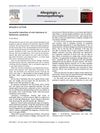
October 2011 in “Allergologia et immunopathologia” A girl with Netherton syndrome was able to eat wheat without allergies after a special treatment.
 April 2017 in “Journal of Investigative Dermatology”
 In this study, the novel isoprenylcysteine analog SIG-1451 was shown to inhibit pro-inflammatory cytokine release in various cell-based assays relevant to allergic dermatitis, acting on targets such as IL-4 and IL-6 with potential anti-inflammatory benefits.
 September 2025 in “OBM Genetics”
 This case report describes a 9-month-old male infant with Netherton syndrome, highlighting the importance of early diagnosis and treatment initiation for better management of symptoms and prevention of misdiagnosis.
 3 citations
,
December 2021
3 citations
,
December 2021 This review explores fundamental aspects of niosomes in drug delivery, including their structure, preparation methods, and factors influencing their formation, but it reports no new experimental results.
July 2024 in “Journal of Investigative Dermatology” A new test helps find drugs to treat head and neck cancer by targeting c-Rel.
 April 2023 in “Journal of Investigative Dermatology”
 This study found that patients with Stevens-Johnson syndrome and toxic epidermal necrolysis exhibit lower levels and activity of DNase1, impairing NET degradation, and suggests DNase1 administration as a potential treatment.