July 2026 in “Journal of Investigative Dermatology”
This retrospective cohort study found that individuals with alopecia totalis or universalis have a higher prevalence of systemic autoimmune diseases, particularly endocrine diseases and inflammatory bowel disease, compared to those with patchyalopecia areata.
This study found that patients with patchyalopecia areata had significantly higher serum levels of pro-inflammatory cytokines IL-6, TNF-α, IL-17A, and IL-21 compared to healthy controls, with these levels correlating positively with disease severity, age, and disease duration.
11 citations
,
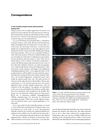
July 2008 in “International Journal of Dermatology”
This article discusses a case of patchyalopecia areata that spares greying hairs but reports no new findings; it refers to existing literature for context.
Got small bald circles with no warning? Centella creams might calm the area and kickstart new growth.There is no published human trial of Centella asiatica for alopecia areata or any other hair loss; the only hair-related studies are cell-culture work. Community users describe Centella creams as soothing for an irritated scalp, not as regrowth treatments, and a new bald patch needs a doctor's diagnosis first.
DHT may inhibit hair growth by affecting mitochondrial function, leading to hair follicle miniaturization. Treatments like minoxidil and PP405 may promote hair growth by altering metabolic pathways, potentially counteracting DHT's effects.
Dutasteride and finasteride have similar risks of sexual dysfunction for treating androgenetic alopecia. Users experience varying side effects, indicating individual differences in drug reactions.
Exosomes combined with fractional picosecond laser treatment were effective in treating androgenetic alopecia and promoting repigmentation in white hair patches. The role of exosomes in hair repigmentation, particularly in conditions like poliosis, is not well-studied.
Onion juice, when applied topically, is an effective treatment for Alopecia Areata, showing significant hair regrowth in both males and females. The study suggests it could be interesting to test its effectiveness on Androgenic Alopecia.
A user claims a product can treat alopecia, but others are skeptical, calling it a scam due to lack of evidence and transparency. The product is said to inhibit Type II 5-αr by 22.9%, but is considered weaker than existing DHT blockers.