 18 citations
,
March 1985 in “Journal of The American Academy of Dermatology”
18 citations
,
March 1985 in “Journal of The American Academy of Dermatology” Cocaine use can cause a blistering skin disease.
 128 citations
,
January 1996 in “Journal of analytical toxicology.”
128 citations
,
January 1996 in “Journal of analytical toxicology.” This study suggests that while hair analysis using GC-MS is a sensitive method for detecting cocaine ingestion, it may not reliably indicate the amount, timing, or duration of drug use due to interindividual variability and multiple incorporation mechanisms.
23 citations
,
January 2016 in “Forensic Science International” This study found that in vitro heat straightening of hair reduced THC and cocaine concentrations but increased CBN and BZE levels, suggesting heat conversion of these substances.
 1 citations
,
January 2015 in “Annals of Dermatology”
1 citations
,
January 2015 in “Annals of Dermatology” This case report describes a 52-year-old woman who developed retiform purpura after using cocaine likely adulterated with levamisole, highlighting the need for levamisole detection in such cases.
 5 citations
,
September 1989 in “Journal of The American Academy of Dermatology”
5 citations
,
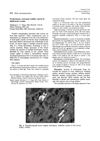
September 1989 in “Journal of The American Academy of Dermatology” This article reports that cocaine injections can lead to skin lesions containing talc crystals at the sites of injection.