An Overview of Risk Factors for Androgenetic Alopecia Among Women at Pasar Ambacang, Kuranji, Padang

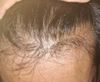
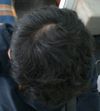
    Image of study
    TLDR Older, overweight women with children and a family history of hair loss are more likely to experience female pattern hair loss.
    The study "An overview of risk factors for androgenetic alopecia among women at Pasar Ambacang, Kuranji, Padang" is a descriptive, cross-sectional study involving 40 women with androgenetic alopecia (AGA). The study found that AGA was most common in women over 65 years old (32.5%), those who were overweight (32.5%), married with childbearing (87.5%), and had a family history of AGA from either the father (57.5%) or mother (75%). Most of the respondents did not have hypertension (65%), type-2 diabetes mellitus (92.5%), or polycystic ovarian syndrome (100%). The majority of respondents had menarche (95%), regular menstrual cycles (95%), and were non-menopausal (67.5%). The most common type of AGA was the type I Ludwig Classification (67.5%). The study concluded that AGA in women is most likely to occur in those over 65, overweight, married with childbearing, with regular menstrual cycles, non-menopausal, and with a paternal or maternal history of AGA. Risk factors such as hypertension, diabetes, and polycystic ovarian syndrome were found to be less common.
    Discuss this study in the Community →

    Related Community Posts Join

    6 / 1000+ results

      community AGA evaluation and first steps - BEGINNER MEGAPOST

      in Chat  80 upvotes 1 year ago
      The conversation discusses androgenic alopecia (AGA) and its treatments, focusing on finasteride, minoxidil, and ketoconazole shampoo. Finasteride is recommended as essential for preventing further hair loss.
      If You Have DUPA, PLEASE READ THIS: Everyone Should Be Scalp Biopsied

      community If You Have DUPA, PLEASE READ THIS: Everyone Should Be Scalp Biopsied

      in Research  830 upvotes 1 year ago
      Scalp biopsies are crucial for diagnosing hair loss conditions like Diffuse Unpatterned Alopecia (DUPA) and retrograde hair loss, as treatments like finasteride and dutasteride may not be effective if other conditions are present. Combining PPAR-GAMMA agonists with retinoids could improve treatments for conditions like Lichen Planopilaris.

      community 6 months on dutast and minoxodil, hair growing like weeds now!

      in Progress Pictures  618 upvotes 8 months ago
      A woman experienced significant hair regrowth after six months of using dutasteride and minoxidil, despite initial hair loss due to androgenetic alopecia. She reported minimal side effects and highlighted the effectiveness of these treatments for women, despite doctors' hesitancy to prescribe them.

      community Steps before starting medication

      in Treatments  336 upvotes 2 months ago
      A 31-year-old man, between Norwood 4 and 5, is considering hair loss treatments like finasteride and minoxidil but is concerned about side effects. He is exploring options with doctors and considering a hair transplant, noting that some clinics require medication before and after the procedure.

    Similar Research

    6 / 1000+ results