Bayesian Measurement-Error-Driven Hidden Markov Regression Model for Calibrating the Effect of Covariates on Multistate Outcomes: Application to Androgenetic Alopecia
May 2018
in “
Statistics in Medicine
”
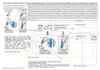
Studysummary This study found that the proposed Bayesian measurement-error-driven hidden Markov regression model effectively calibrated inflated covariate effect sizes in a community-based survey on androgenetic alopecia regardless of misclassification type.
Automatically generated from the study's abstract, not written by a person, and not a review of the full paper. Not medical advice or a treatment recommendation. Read the original study, and consult a qualified healthcare professional before changing treatment. Full disclaimer
Read the full study on onlinelibrary.wiley.com →