19 years old - 3 months of min+fin Progress Pictures 2/2/2026
A 19-year-old has been using a regimen of 5% topical minoxidil and 1mg oral finasteride for three months to combat early-onset balding. The user reports some progress and plans to continue the current treatment, while others suggest considering additional treatments like dutasteride for more aggressive cases.
View this post in the Community →
Similar Community Posts Join
6 / 1000+ resultscommunity Reddit’s amatorial meta analysis of 17 already avaliable hair loss prevention treatments that were found to be effective in clinical studies but are not FDA approved for MPB. PROS and CONS. (2022 Guide if Finasteride and Minoxidil are not working/ give you sides/are not enough) 77 studies linked!
The post and conversation are about hair loss treatments that have been found to be effective in studies. There are 19 different treatments mentioned, including oral minoxidil, oral dutasteride, topical finasteride, RU58841, and more. The best treatment for an individual depends on factors like availability, cost, side effects, and personal preferences.
community People who tolerate dut better than fin?
Dutasteride may have fewer side effects than finasteride, with some users experiencing better hair maintenance. Experiences vary, with some preferring dutasteride for fewer side effects, while others see no significant hair improvement.
community [24M] 2 months into 0.025% topical finasteride + 5% minoxidil after 5 years of 5% minoxidil only. Does it work ?
A 24-year-old male has been using 5% minoxidil for five years and recently added 0.025% topical finasteride to his routine. He noticed some improvement in his crown area but is considering stronger treatments like oral finasteride or dutasteride for better results, especially on the temples.
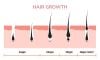
community 2025 Official beginner guide for “I’m losing my hair, what can I do?”
by Henryk
in General
995 upvotes
1 year ago
Henryk
in General
995 upvotes
1 year ago For hair loss, start with Finasteride, Minoxidil, Ketoconazole shampoo, and Microneedling. For severe cases, consider Dutasteride, oral Minoxidil, or hair transplants.
community 90 days. Did not think this was possible before finding this subreddit. To say I’m obsessed is an understatement. Excuse my poor photo stitch.
User experienced significant hair regrowth after 90 days using Dutasteride, oral and topical Minoxidil, RU58841, dermarolling, and Keto shampoo. Others discuss potential side effects and difficulty determining which treatment is most effective.
community Should I get transplant #4 or just shave my head?
A 36-year-old considering a fourth hair transplant is advised to either shave his head or use a hair system due to poor results from previous transplants and late medication use. He plans to consult top surgeons and adjust his current treatments, including finasteride and minoxidil.
Related Research
6 / 1000+ results
research Updates in Treatment for Androgenetic Alopecia
New treatments for hair loss include low-dose oral minoxidil, light therapy, and innovative therapies targeting hair growth mechanisms.

research Androgenetic Alopecia: An Update Of Treatment Options
Minoxidil is the only FDA-approved topical drug for treating male or female pattern hair loss, and other medications like finasteride and dutasteride can also increase hair growth.

research Guidelines Based Management of Androgenetic Alopecia
The document concludes that personalized treatment plans for hair loss in Asian men are necessary and more research is needed to develop effective guidelines.

research Treatment of Frontal Fibrosing Alopecia and Lichen Planopilaris: A Systematic Review
No effective treatment for frontal fibrosing alopecia was found, but oral 5-alpha-reductase inhibitors had the best response; for lichen planopilaris, topical corticosteroids were commonly used but had a high relapse rate.
research Medical Therapy for Frontal Fibrosing Alopecia: A Review and Clinical Approach
Some treatments like intralesional steroids and 5α-reductase inhibitors are effective for frontal fibrosing alopecia, but more research is needed.

research New Investigational Drugs for Androgenetic Alopecia
Possible new treatments for common hair loss include drugs, stem cells, and improved transplants.