4 months of restarting treatment. M36 Progress Pictures 12/10/2025
A 36-year-old man restarted hair loss treatment after a break, using topical Minoxidil 5% twice daily, topical Finasteride 0.01% daily, and Ketoconazole 2% three times a week, along with supplements like Vitamin B12, D3, C, Biotin, Omega-3, zinc, and copper. He avoids oral Finasteride due to side effects and plans to evaluate progress after a year.
View this post in the Community →
Similar Community Posts Join
5 / 1000+ resultscommunity Prolonged shedding over last 15 months
The user has been experiencing prolonged hair shedding despite using Dutasteride, Minoxidil, and topical Finasteride, with blood tests showing high free testosterone and low SHBG. Suggestions include adjusting Minoxidil dosage, considering topical anti-androgens like RU58841, and addressing metabolic factors to increase SHBG.
community I cry every day, everything is very depressing
A user is experiencing hair loss despite using dutasteride and oral minoxidil, feeling hopeless and considering a hair system. They are advised to try ketoconazole, seek a second opinion from a dermatologist, and consider treatments like finasteride, RU58841, and hair transplants.
community Second update: almost 3.5 months min microneedling 1.5mm once a week ketoconazole shampoo 4 times a week
A user's hair loss treatment regimen, which includes minoxidil, ketoconazole shampoo and microneedling; some participants questioned the results due to previous posts about hair transplants, but others agreed that quick results are possible with certain treatments.
community Dutasteride thins eyebrows and facial hair but doesn't stop scalp loss.
Dutasteride may not effectively stop scalp hair loss and can cause thinning of facial and body hair, including eyebrows. Users suggest considering other causes like autoimmune conditions or vitamin deficiencies and exploring treatments like finasteride or minoxidil.
community Finasteride & Minoxidil (7 months & 11 months)
A user shared positive hair growth results using finasteride, minoxidil, ketoconazole shampoo, and vitamin supplements over 7 to 11 months. They discussed application tips and side effects with others.
Related Research
6 / 1000+ results
research A Systematic Review on Topical Marketed Formulations, Natural Products, and Oral Supplements to Prevent Androgenic Alopecia
Various treatments, including FDA-approved drugs, natural products, and oral supplements, can help with hair loss, but a patient's medical history and potential allergies should be considered when choosing a treatment.
research Pharmacodynamic Evaluation: Endocrinology
The conclusion is that endocrinology significantly impacts medicine with various common medications used for treatment.
research Clinical Pearls in Dermatology 2018
Remove inflamed cysts surgically, avoid topical antibiotics on wounds, treat skin and mouth conditions with specific medications, and address underlying causes of hair loss.

research Consensus Recommendations for the Management of Androgenetic Alopecia in Egypt: A Modified Delphi Study
Experts created guidelines for treating hair loss in Egypt, focusing on personalized care.
research Management of Hair Loss
Minoxidil and finasteride are effective for male hair loss, minoxidil for female hair loss, and various treatments like corticosteroids work for alopecia areata; treatment should be tailored to the individual.
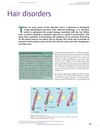
research Hair Disorders
The document concludes that accurate diagnosis and appropriate management are crucial for treating various hair disorders, which have significant psychological impacts.