Bad doctors even in the USA Transplants 6/24/2020
Young men are advised to delay hair transplants until after age 25, using finasteride, minoxidil, and dermarolling to manage hair loss. Concerns about unethical doctors highlight the need for careful planning.
View this post in the Community →
Similar Community Posts Join
6 / 1000+ resultscommunity Having slight side effects from Fin, any alternatives for regrowth that does not include minoxidil or fin?
Treatment options for hair regrowth other than minoxidil or finasteride, due to side effects from the latter, with platelet-rich plasma and topical treatments being among the suggested alternatives.
community I’ve been shaving my head for 15 years. Is there anything out there that can truly regrow hair?
A user who has been shaving his head for 15 years looking for potential treatments to regrow hair; the replies range from advice to try out medications such as finasteride and minoxidil, to suggestions of changing up his look with facial hair or hobbies.
community Balding absolutely ruined my life at 17.
A user is struggling with hair loss at 17 and has been using finasteride for 5 months and minoxidil for 11 months without seeing regrowth. Other users encourage continuing treatment, sharing their own experiences with finasteride, minoxidil, and dermarolling, and emphasizing patience and acceptance.
community 27m gone bald, hair in 2018 to no hair 2024 considering HT
A 27-year-old considering a hair transplant after going bald from 2018 to 2024. Recommendations include using finasteride and minoxidil before the transplant, with mixed opinions on their long-term use and side effects.
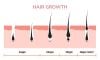
community 2025 Official beginner guide for “I’m losing my hair, what can I do?”
by Henryk
in General
995 upvotes
1 year ago
Henryk
in General
995 upvotes
1 year ago For hair loss, start with Finasteride, Minoxidil, Ketoconazole shampoo, and Microneedling. For severe cases, consider Dutasteride, oral Minoxidil, or hair transplants.
community Microneedling + topical minoxidil is the most underrated combo.
Microneedling with topical minoxidil is effective for hair regrowth, especially with finasteride. Users report fewer side effects compared to oral minoxidil.
Related Research
6 / 1000+ results
research Status of Research on the Development and Regeneration of Hair Follicles
New regenerative medicine-based therapies for hair loss look promising but need more clinical validation.

research Experimental and Early Investigational Drugs for Androgenetic Alopecia
New hair loss treatments may include topical medications, injections, and improved transplant methods.

research Changing Trends in Surgical Hair Restoration: Use of Google Trends and the ISHRS Practice Census Survey
More people are searching for hair transplants online, preferring Follicular Unit Excision over Follicular Unit Transplant. There's also a rise in female patients and interest in beard, eyebrow transplants, and non-surgical treatments like platelet rich plasma.

research Clinicopathological Characteristics and Treatment Outcomes of Fibrosing Alopecia in a Pattern Distribution: A Retrospective Cohort Study
Early treatment of fibrosing alopecia in a pattern distribution may improve outcomes.

research Androgenetic Alopecia: An Update
Minoxidil and finasteride effectively treat hair loss.

research Therapeutic Protocol for Alopecia
Minoxidil and finasteride are the main FDA-approved treatments for hair loss, with other methods showing promise but lacking strong evidence.