Honest reflection from a 43 year old man who decided not to go on treatment when I first noticed a receding hairline nearly ten years ago. Chat 10/29/2024
A 43-year-old man regrets not starting finasteride earlier for his receding hairline, which has now progressed to NW3 with diffuse thinning. Other users share their experiences, highlighting the effectiveness of finasteride and hair transplants in managing hair loss, even in their 30s and 40s.
View this post in the Community →
Similar Community Posts Join
6 / 6 resultscommunity Why Diffuse Thinning is Worse Than a Receding Hairline
Diffuse thinning is worse than a receding hairline as it affects the entire scalp, complicating styling and hair transplants. Treatments like finasteride, minoxidil, dutasteride, and RU58841 are mentioned, with some users noting improved hair density.
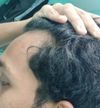
community 23M Receeding hairline, Hair fall and Hair thinning - Feeling mentally drained
A 23-year-old male is experiencing rapid hair thinning and receding hairline, feeling emotionally drained. He has tried GFC, PRP, ketoconazole shampoo, and supplements without improvement and is considering minoxidil, finasteride, and possibly a hair transplant.
community How come some guys are half bald yet their hair is so healthy?
A 22-year-old male experiencing diffuse thinning and frizzy hair has been using finasteride for nine months and is seeking advice on improving hair quality. Suggestions include using conditioners, biotin, rosemary oil, and addressing scalp conditions like seborrheic dermatitis or psoriasis, while finasteride may help reverse miniaturization and improve hair health.
community Diffuse thinning is a curse. You don't realize it's happening until way too late.
Diffuse hair thinning and treatments like finasteride and minoxidil. Early detection and treatment are crucial for effective management.
community Is it possible for diffuse thinning to stop or retard?
Diffuse thinning is unpredictable, and while some suggest treatments like finasteride or dutasteride, others emphasize acceptance as hair loss may continue. Some users share personal experiences with treatments like nizoral, scalp massage, and lifestyle changes, but results vary.
community I'm sad I now lost enough hair I can only hide with a hat now
A 21-year-old is experiencing significant hair loss and considering treatments like dutasteride, minoxidil, and possibly a hair transplant. Others share their experiences with finasteride, scalp micropigmentation, and hair transplants, discussing the emotional impact and offering support.
Related Research
6 / 6 resultsresearch Androgenetic Alopecia
This article discusses treatment options for androgenetic alopecia, noting that medical interventions like finasteride and minoxidil can halt and partially reverse hair loss in mild to moderate cases, especially when combined with surgery.
research Hair loss: a clinical update
This article reviews the classifications and characteristics of androgenic alopecia and provides no new clinical results; it emphasizes the importance for aestheticians to understand current treatment evidence.
research Androgenetic Alopecia in Gender Minority Patients
This study highlights the importance of clinicians understanding the effects of gender-affirming hormones like testosterone, estrogen, and antiandrogens on hair growth, to effectively diagnose and treat androgenetic alopecia in gender minority patients.
research The Diagnosis and Treatment of Hair and Scalp Diseases
This review outlines various causes and manifestations of hair loss, highlighting that each type has distinct underlying mechanisms and requires specific treatment approaches, without reporting new clinical results.
research Gender-affirming hair procedures
This chapter reviews the role of hair transplantation in gender affirming procedures for transitioning patients but reports no new clinical findings.
research Female pattern hair loss
This article reviews the pathophysiology, diagnosis, and treatment of female pattern hair loss, highlighting the importance of early medical intervention to arrest hair loss progression, but reports no new clinical results.