Finally jumped on Fin after decent regrowth using all natural regime (mechanical stimulation) 9/24/2018
The user experienced good hair regrowth using natural methods and mechanical stimulation but decided to add finasteride to their regimen for better results. They are optimistic about further regrowth and plan to update on the effects of finasteride, noting no significant side effects so far.
View this post in the Community →
Similar Community Posts Join
5 / 5 resultscommunity I am actually regrowing my hairline without minoxidil or finasteride (mechanical stimulation)
Regrowing hairline without the use of Minoxidil or Finasteride, and instead using mechanical stimulation such as Derma Roller, Nizoral, Zinc Pyrithione, Scalp Massage, Scalp Exercise, Fish Oil and other topical solutions. It is cautioned that there are risks associated with not using medically-prescribed treatments, but it is suggested to consider mechanical stimulation in addition to those prescribed treatments.
community Why I never used Fin, Min, Or Dut and Rebuilt My Scalp From the Ground Up (Real Results)
The conversation discusses a natural approach to hair loss treatment, emphasizing a diet rich in whole foods, supplements like Saw Palmetto, Zinc, and Pumpkin Seed, and mechanical scalp stimulation with microneedling, avoiding pharmaceuticals like finasteride, minoxidil, and dutasteride. The user claims success with this holistic method, reporting new hair growth and improved overall health.
community Regrowing my hair/line without Min or Fin September (update) mechanical stimulation
The user regrew their hairline using mechanical stimulation, including a 1.5mm derma roller weekly, daily scalp massages, and other treatments like Nizoral, zinc pyrithione, fish oil, and Lipogaine The Big 5. They did not use Minoxidil or finasteride.
community Scalp Massages /scalp hair oiling effective??
The conversation discusses the effectiveness of natural remedies like scalp massages and oils for hair loss, with some users advocating for proven treatments like minoxidil and finasteride. The original poster prefers natural methods, while others argue that pharmaceuticals are more effective in combating hair loss.
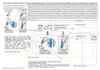
community Compressed part of research of theory of androgenic/anabolitic balance. AGA h-responders analytic. Theory of physio-metabolitic method of anti AGA treatment
The treatment for androgenetic alopecia involves using finasteride and minoxidil with intense exercise and cold exposure to boost metabolism and reduce androgenic effects, potentially leading to hair regrowth. This approach may activate biological pathways for improved hair and overall health.
Related Research
6 / 6 results
research Bioprospecting of Potential Inhibitors of 5alpha Reductase 2 Inhibitors from Relevant Ethno-pharmacological Plants via In Silico Techniques
This research used computational methods to identify potential new treatments for benign prostatic hyperplasia, finding three compounds from Ghanaian plants with promising binding energy against 5alpha reductase 2 compared to existing drugs, yet further in vitro validation is necessary to confirm their efficacy.

research 28 Hair Restoration
Modern hair restoration techniques can effectively treat hair loss and provide natural-looking results.
research Hair Loss and the Applied Techniques for Identification of Novel Hair Growth Promoters for Hair Re-Growth
This review discusses the causes of alopecia, including androgenetic alopecia, and potential active ingredients for hair regrowth, but it does not report new clinical results.
research Clinical Perspectives on Alopecia: From Hair Follicle Biology to Advanced Therapies
This review highlights the various causes and treatment options for alopecia, noting that while non-scarring types often see successful hair regrowth, scarring forms require early intervention to manage inflammatory destruction of hair follicles.

research Is There Scientific Evidence that Panax Promotes Hair Growth?
This review highlights the potential of Panax ginseng as a promising natural treatment for hair loss, despite limited published research on its effects.
research AN UPDATE ON ETIOPATHOGENESIS AND MANAGEMENT OF ALOPECIA
This article provides an in-depth exploration of both natural and synthetic treatments for alopecia, examining their mechanisms, benefits, limitations, and current research, while noting that synthetic therapies can have potential adverse effects.