Anyone having little results with dutasteride and oral minoxidil Treatment 1/11/2026
Dutasteride and oral minoxidil are not yielding noticeable results for some users, with some considering alternatives like microneedling or hair transplants. Others report slowed hair loss but no regrowth, and some experience side effects or minimal improvement, leading to frustration and consideration of different treatments.
View this post in the Community →
Similar Community Posts Join
6 / 6 resultscommunity 2 years on Dutasteride/Minox, so much hair loss, not sure where to go from here
The user has been experiencing increased hair loss despite using Dutasteride, Minoxidil, and microneedling, and is considering switching back to Finasteride. They are exploring other options like hair transplants, oral Minoxidil, and red light therapy but are concerned about side effects and effectiveness.
community 25M | 10 years of gradual hair loss | Minoxidil user | Looking for input on treatment optimization before HT
A 25-year-old male with 10 years of hair loss is using minoxidil and considering adding finasteride or dutasteride, possibly with microneedling, to improve hair regrowth before a hair transplant. Community members suggest starting a DHT blocker immediately, considering oral minoxidil, and addressing low vitamin D and HDL levels.
community Trying to understand severe shedding and progressive density loss after a successful hair transplant
The user is experiencing severe shedding and progressive hair density loss after a successful hair transplant, despite using finasteride, minoxidil, microneedling, and scalp treatments. Suggestions include trying stronger treatments like oral dutasteride, topical RU58841, and higher doses of oral minoxidil.
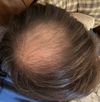
community Dutasteride and Minoxidil User Considering Microneedling vs HT for Crown
The user is considering microneedling versus a hair transplant (HT) for crown hair loss while currently using dutasteride and oral minoxidil. They are hesitant about microneedling due to potential scarring but are open to trying it before deciding on a hair transplant.
community 38 Year Old - 2 hair transplants , Dut , Minox , RU
A 38-year-old discusses hair loss treatments, including two hair transplants, daily oral Dutasteride, oral Minoxidil, topical RU58841, Pyrilutamide, and microneedling. They noticed increased hair thinning despite these treatments.

community 30-Year-Old Considering Hair Transplant After 2 Years of Treatment
A 30-year-old considering a hair transplant has been using treatments like oral Minoxidil, Dutasteride, topical Minoxidil, copper peptide serum, red light laser therapy, microneedling, and vitamin therapy for hair loss. They are advised that a hair transplant is still an option, but maintaining current treatments is crucial to support the transplant and prevent further hair loss.
Related Research
6 / 6 results
research O IMPACTO DO USO PERIOPERATÓRIO DA DUTASTERIDA (ORAL E MESOTERAPIA) NOS RESULTADOS ESTÉTICOS DO TRANSPLANTE CAPILAR: UMA REVISÃO DE LITERATURA
This study reports that perioperative use of dutasteride, both orally and through mesotherapy, may enhance hair graft survival and reduce shock loss in patients undergoing hair transplantation for androgenetic alopecia.
research New Treatments for Hair Loss
This review summarizes recent therapeutic advancements in treating various forms of alopecia, including new applications of oral minoxidil, dutasteride, finasteride, Janus kinase inhibitors, and novel hair transplant techniques, without presenting original research results.

research Current understanding and treatment of sex hormone-related hair diseases
This review examines the effects of sex hormones on hair growth and the pathogenesis of related hair disorders, highlighting current management benefits and controversies but reporting no new results.
research Minoxidil: a comprehensive review
This study reported that while topical minoxidil exhibits hair regrowth in androgenetic alopecia, oral minoxidil 5 mg/day was more effective than topical forms after six months, with low doses also potentially effective for women and other hair loss types.
research Platelet-rich plasma in androgenetic alopecia
This expert group provided recommendations for preparing and using platelet-rich plasma in treating androgenetic alopecia, suggesting a manual double-spin method and specific dosing, although further studies on injectable platelet-rich fibrin are needed.
research Female pattern hair loss—An update
This article discusses the causes, diagnosis, and treatment options for female pattern hair loss, emphasizing the role of topical minoxidil as a primary treatment, but provides no new clinical results.