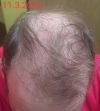
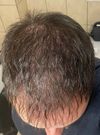
24F, minodixil, saw palmetto, biotin, rosemary oil, advice? Question 6/27/2019
A 24-year-old woman with thinning hair is using Minoxidil, saw palmetto, biotin, rosemary oil, and ketoconazole. She seeks advice on whether to try finasteride or dutasteride, the effects of Minoxidil shedding, and the significance of her hair follicle condition.
View this post in the Community →
Similar Community Posts Join
5 / 1000+ resultscommunity Topical FIN/MIN, Dermastamping, 2% ketoconazole and DHT blocking shampoo
The user has been using topical 5% Minoxidil, 0.1% Finasteride, dermastamping, 2% ketoconazole, and a DHT-blocking shampoo with saw palmetto, caffeine, biotin, and argan oil for hair loss. Despite some baby hair growth on one side, the user is experiencing continued hairline recession and shedding, leading to distress.
community I try without Fin. 6 month (1 year experience).
The conversation discusses hair loss treatments, with the original poster using saw palmetto, biotin, minoxidil, a dermaroller, and rosemary oil, considering finasteride or a hair transplant in the future. Other users suggest finasteride or dutasteride for more effective results, while some recommend additional natural supplements and maintaining overall health.
community 3 months progress with Finasteride 0.5mg/daily, Minoxidil foam5% 2x daily, Stemoxydine 2x daily, Microneedling(M8) 1.5mm 1x per week, Saw Palmetto 400mg/day, peppermint and jojoba oils daily, Ketoconazole 2% shampoo 3x/week, Purador shampoo/conditioner every day.
Jordan-Iliad has been using a combination of finasteride, minoxidil, stemoxydine, microneedling, saw palmetto, peppermint and jojoba oils, ketoconazole shampoo, and Purador shampoo/conditioner for 3 months to treat their hair loss with stunning results. They have also recently started taking oral minoxidil 1.25mg/day in hopes of achieving even better results over the next 3 months.
community A meta analysis of 18 popular hair loss treatments. An 2022 guide on efficacy. From finasteride and minoxidil to caffeine shampoo, saw palmetto and biotin. 96 Scientific References included.
Most hair loss treatments are ineffective; only finasteride, dutasteride, and minoxidil show effectiveness.
community Ranking the best treatments for hair growth
Effective hair growth treatments include finasteride, minoxidil, dutasteride, and hair transplants, with additional options like microneedling, low-level laser therapy, and PRP showing some benefits. Newer treatments such as GHK-Cu peptides and ketoconazole shampoo are promising, while others like saw palmetto and biotin are less effective unless deficiencies exist.
Related Research
6 / 1000+ results
research A Systemic Review on Topical Marketed Formulations, Natural Products, and Oral Supplements to Prevent Androgenic Alopecia: A Review
Various treatments, including FDA-approved drugs, natural products, and oral supplements, can help with hair loss, but a patient's medical history and potential allergies should be considered when choosing a treatment.
research Hair loss and herbs for treatment
Herbs can potentially treat hair loss by inhibiting a key enzyme and promoting hair growth, and deficiencies in zinc, biotin, and iron are linked to hair loss.
research Bioactive Compound-Loaded Nanocarriers for Hair Growth Promotion: Current Status and Future Perspectives
Nanocarriers with plant extracts show promise for safe and effective hair growth treatment.
research A decade of progress in androgenetic alopecia management: Emerging therapies and multimodal strategies
Androgenetic alopecia treatments are becoming more personalized and include new therapies like topical antiandrogens and regenerative strategies.
research Consensus Recommendations for the Management of Androgenetic Alopecia in Egypt: A Modified Delphi Study
Experts created guidelines for treating hair loss in Egypt, focusing on personalized care.
research Can plant‐derived phytochemicals provide symptom relief for hair loss? A critical review
Some plant-based chemicals may help with hair growth, but more research is needed to confirm their effectiveness.