10 years of dutasteride how is it? 6/8/2026
Dutasteride has been effective for long-term hair maintenance, with some users adding oral minoxidil for regrowth. Users discuss experiences with hair transplants, side effects, and other treatments like finasteride and topical solutions.
View this post in the Community →
Similar Community Posts Join
5 / 5 resultscommunity My experimental hair loss journey under medical supervision: finasteride/dutasteride, oral/topical minoxidil+tretinoin (3-month progress and hair transplant insights for those considering it)
A 23-year-old discusses their hair loss treatment using finasteride, dutasteride, oral and topical minoxidil, and topical tretinoin under medical supervision. They stress stabilizing hair loss before a hair transplant and plan to continue the regimen for at least 18 months.
community Hair Journey: Got great results from oral fin and topical min then switched to oral min, then back to topical min, then back to oral
The user experienced significant hair regrowth using oral finasteride and topical minoxidil, but switching between oral and topical minoxidil led to hair loss and uncertainty about future treatment. They are considering sticking with oral minoxidil and finasteride, possibly adding dutasteride or opting for a hair transplant.
community i got more results 1 month 5 mg oral minoxidil and 1 mg dutasteride then i did 6 months on finasteride and topical minoxidil
A user reported better hair regrowth with 5 mg oral minoxidil and 1 mg dutasteride than with finasteride and topical minoxidil, calling topical minoxidil a scam. Replies varied, with some defending topical minoxidil, questioning the user's application method, and suggesting that previous treatments might be contributing to the observed results.
community [25M] Advanced Hair Loss - Oral Minoxidil + Topical Finastride
A 25-year-old male is experiencing advanced hair loss and is using topical and oral minoxidil, topical finasteride, and vitamin D3, but has not seen significant regrowth. He is considering switching treatments, including oral dutasteride, topical spironolactone, and possibly a scalp biopsy to better understand his condition.
community 5 years on topical finasteride, 3.5 years on oral minoxidil; now changing from finasteride to dutasteride
A 66-year-old male experienced significant hair regrowth using topical finasteride for 5 years and oral minoxidil for 3.5 years, with no side effects. He is now switching from finasteride to topical dutasteride while continuing oral minoxidil to potentially improve results further.
Related Research
6 / 6 results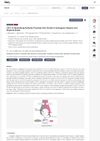
research CXCL12 Neutralizing Antibody Promotes Hair Growth in Androgenic Alopecia and Alopecia Areata
This study found that subcutaneous injection of a CXCL12 neutralizing antibody significantly promoted hair growth in androgenic alopecia and inhibited hair loss in alopecia areata in mouse models, suggesting its potential as a promising treatment for hair loss.
research Minoxidil: a comprehensive review
This study reported that while topical minoxidil exhibits hair regrowth in androgenetic alopecia, oral minoxidil 5 mg/day was more effective than topical forms after six months, with low doses also potentially effective for women and other hair loss types.
research Overactive bladder in men
This chapter discusses the increasing prevalence of overactive bladder in aging men, examining potential causes and treatment options, without reporting new clinical results.
research Androgenetic Alopecia
Hair loss treated with minoxidil, finasteride, laser/light, hair transplant, and scalp prostheses; more research needed for skin of color.
research Platelet-rich plasma in androgenetic alopecia
This expert group provided recommendations for preparing and using platelet-rich plasma in treating androgenetic alopecia, suggesting a manual double-spin method and specific dosing, although further studies on injectable platelet-rich fibrin are needed.
research Treatment of frontal fibrosing alopecia and lichen planopilaris: a systematic review
This study reported that while no effective treatment exists for frontal fibrosing alopecia, oral 5-alpha-reductase inhibitors showed the most promise, inducing a good clinical response in 45% of patients.