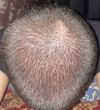
Dutasteride and finasteride for hair loss, with dissatisfaction expressed about dutasteride and consideration of switching back to finasteride. Users share varied experiences, noting individual responses to treatments differ.
The conversation is about concerns over cayenne pepper potentially acting as a 5-alpha-reductase inhibitor, affecting DHT levels and semen volume. The user seeks advice on reversing these effects, with responses ranging from humorous to suggesting therapy.
The conversation discusses the potential impact of marijuana on hair loss, with some users suggesting it may worsen hair loss due to hormonal changes, while others believe it might alter perception rather than cause actual thinning. The original poster uses Propecia (finasteride) and Rogaine (minoxidil) for treatment and is considering quitting marijuana to see if it affects hair health.
A 28-year-old in Turkey is experiencing hair loss, affecting his confidence and mood. He uses various supplements and shampoos, and is considering topical finasteride/dutasteride and minoxidil for treatment.
The user has been experiencing prolonged hair shedding despite using Dutasteride, Minoxidil, and topical Finasteride, with blood tests showing high free testosterone and low SHBG. Suggestions include adjusting Minoxidil dosage, considering topical anti-androgens like RU58841, and addressing metabolic factors to increase SHBG.
Finasteride may cause sleep disturbances, such as waking up at 4 AM, which improved after stopping the medication. Some users suggest taking it in the morning or reducing the dose to alleviate sleep issues.
Pattern hair loss before age 35 may be linked to higher risks of prostate cancer, cardiovascular diseases, and metabolic syndrome later in life. Finasteride is discussed as a treatment that may lower PSA levels and potentially prevent prostate issues.
P5P supplementation helped reverse finasteride side effects, particularly by lowering prolactin levels and restoring sensitivity. The user experienced significant improvement within a day and full recovery in a few days.
A user shared that while finasteride improved their hair, it didn't solve all their insecurities, suggesting that self-acceptance is key. Others in the conversation expressed varying opinions, with some feeling that finasteride significantly boosted their confidence and quality of life, while others acknowledged it as a solution to hair loss but not a cure-all for other personal issues.
The conversation discusses managing hair loss and scalp issues, with users sharing experiences using treatments like dutasteride, finasteride, ketoconazole, sulfur soap, and topical anti-androgens. Suggestions include trying sulfur soap, scalp massages, spironolactone, and dietary changes to reduce sebum production and dandruff.
The conversation discusses skepticism and diminishing excitement around the hair loss treatment PP405 due to unclear trial results. It also mentions other treatments like finasteride, minoxidil, VDPHL01 (extended-release minoxidil), and GT20026 as potential options for hair loss management.
The user is concerned about using dutasteride for potential hair loss, fearing it might accelerate balding if not effective. They are unsure about the doctor's diagnosis and are considering starting with finasteride instead.
A 22-year-old is experiencing hair loss, particularly fuzzy hair in the front, and is concerned about male pattern baldness. Treatments mentioned include Propecia (finasteride), minoxidil, PRP treatments, dermarolling, peppermint oil, and apple cider vinegar.
The user is experiencing hair loss without a family history and suspects stress or telogen effluvium (TE) as the cause, despite using finasteride without results. Others suggest stress, vitamin deficiencies, or other conditions could be factors, and some mention that balding can occur without a family history.
The user discusses their experience with diffuse unpatterned alopecia and acquired progressive hair kinkering, noting improvements with treatments including biotin, pantothenic acid, finasteride, ketoconazole, and zinc pyrithione shampoo. They report thicker, healthier hair and improved scalp condition, attributing success mainly to biotin, pantothenic acid, and finasteride.
An 18-year-old noticed hair thinning at 17, started finasteride 5 months ago, and saw shedding stop but no regrowth. They suspect male pattern baldness due to family history and are concerned about thinning on the back and sides, possibly due to inflammation.
The user is experiencing hair loss and is using finasteride while addressing low ferritin and copper levels. They are concerned about continued hair shedding and are advised to correct vitamin deficiencies and wait for finasteride results after 12 months.
The user experienced initial success with oral finasteride and minoxidil but later faced scalp pain, burning, and increased shedding. Dermatologists found no major issues, and the user is considering using a prescribed corticosteroid for potential inflammation.
The conversation is about a female experiencing hair loss and seeking advice on why it's difficult to regrow hair. Specific treatments like Minoxidil, finasteride, or RU58841 are not mentioned.
Belgium disagrees with the EMA and does not authorize the 1 mg oral form of finasteride for androgenic alopecia, citing a negative benefit-risk ratio. Despite this, some individuals in Belgium can still obtain finasteride through prescriptions, and there is debate over its mental health risks versus its benefits for hair loss and other health issues.
The conversation is about concerns regarding starting finasteride for AGA, with a preference for topical finasteride due to worries about oral side effects. The user is considering adding oral minoxidil later due to an allergy to topical minoxidil.
The user switched from topical to oral minoxidil (5mg daily) a year ago, saw no improvement, and experienced chest pain and trouble sleeping after stopping. They are considering whether to resume and taper the dosage due to stress and anxiety.
The user experiences immediate hair shedding linked to stress, unlike typical telogen effluvium, and is seeking answers. A suggestion was made to use spironolactone and topical minoxidil to address potential DHT-related shedding.