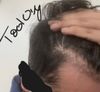
Finasteride can cause pelvic or urethral discomfort for some users. Reducing the dose to 0.25 mg on Mondays, Wednesdays, and Fridays is being considered as a potential solution.
The conversation discusses using estradiol and its derivatives for hair loss without causing feminization. Users mention alternatives like alfatradiol, topical 17b-Estradiol, and DIM (Diindolylmethane).
A user reports persistent sexual side effects three months after stopping finasteride, despite a healthy lifestyle and supplements. They express concern over the lack of libido and infrequent erections.
Concerns about the long-term effects of dutasteride and finasteride on fertility, with discussions on cycling these medications to mitigate risks. The conversation highlights skepticism about study methodologies and the importance of weighing treatment risks against potential fertility issues.
The conversation is about someone planning to start finasteride for hair loss and wanting to interpret pre-treatment blood panels to assess the risk of side effects like gynecomastia. They list various tests to measure hormone levels and other health indicators.
Women also experience hair loss, especially post-menopause, often requiring lifestyle changes. Treatments include Scalp Micropigmentation, hair transplants, and sometimes finasteride, with underlying causes needing medical evaluation.
A woman with androgenic alopecia has been using birth control, spironolactone, finasteride, and oral minoxidil for hair loss. She sought to change her medications to dutasteride and bicalutamide, but her new dermatologist refused to prescribe them for off-label use.
The conversation is about a female's difficulty in obtaining a prescription for a DHT blocker other than Spironolactone for hair loss. She is seeking advice on the severity of her condition and discussing specific treatments like Minoxidil, Finasteride, and RU58841.
A 25-year-old woman is experiencing hair loss and is unsure if it's due to iron deficiency or female pattern baldness, as diagnosed by her dermatologist. She is considering using Minoxidil but is hesitant and seeks advice on whether increasing her iron levels could help.
Poor sleep quality may affect hair growth cycles by disrupting the body's natural clock and stress hormones. The focus should be on improving sleep to support overall health, including hair growth, rather than relying solely on treatments like Minoxidil, finasteride, or RU58841.
The conversation discusses the link between increased estrogen and autoimmune diseases, with a focus on avoiding soy and milk. It also mentions treatments like Minoxidil, finasteride, and RU58841 for hair loss.
A user experienced increased estradiol, nipple tenderness, and ED after taking finasteride. They are considering dose reduction to mitigate these effects.
The conversation discusses managing gynecomastia symptoms potentially caused by finasteride use, with treatments including reducing finasteride dosage, using DIM, ashwagandha, tamoxifen, epistane, and arimistane. Users share experiences and advice on balancing testosterone and estrogen levels to address symptoms.
A female user is experiencing severe hair loss, especially at the crown and front, with broken and dull hair despite using Moroccan oil, shea moisture shampoo, and coconut oil. She seeks recommendations for a clinic or doctor as previous doctors attributed the issue to stress but offered no solutions.
Male pattern baldness (MPB) may be an early warning sign for type 2 diabetes due to its association with insulin resistance. Treatments discussed include testosterone therapy and finasteride, which affects hormone levels related to hair loss and insulin sensitivity.
An 18-year-old male is experiencing hair loss and is using topical minoxidil and oral finasteride. He is concerned about continued shedding, mild sexual side effects, and whether to adjust his finasteride dosage.
Finasteride can cause gynecomastia due to increased estrogen from reduced DHT conversion, which some users manage by losing weight and taking supplements like DIM and calcium D-glucarate. Users discuss various experiences with finasteride, dutasteride, and minoxidil, noting side effects and strategies to mitigate them, including switching medications and considering surgery.
The user is experiencing breast tissue growth from taking dutasteride and minoxidil, and is considering reducing the dosage or stopping the medication. Suggestions include seeing an endocrinologist, using Raloxifene or Arimidex, and considering topical treatments or surgery if necessary.
Various treatments for male pattern baldness including Minoxidil, Finasteride/Dutasteride, hair systems, and oral anti-androgens such as Spironolactone and Flutamide. It also mentions dermarolling as a possible treatment in conjunction with minoxidil.
Finasteride can affect hormone levels, potentially causing symptoms like puffy nipples and testicular pain, and may result in elevated prolactin and high testosterone. The user is seeking interpretation of these changes after taking finasteride.
Finasteride can reduce neuroactive steroids, causing side effects like depression, anxiety, and sexual dysfunction. Some users experience persistent symptoms after stopping finasteride, while others use alternative treatments like topical solutions.
Hair loss is linked to a higher rate of body dysmorphic disorder (BDD), OCD, and depression. Finasteride and dutasteride are not linked to increased suicidal risk, though some users report mental health side effects.
Dihydrotestosterone (DHT) impacts various skin conditions, including Androgenetic alopecia and seborrheic dermatitis, by causing overactivity in sebaceous glands. Topical medications Tacrolimus and Clobetasol can reduce these inflammatory conditions, and treatments like RU58841, Minoxidil, and Finasteride may also be beneficial.
A 29-year-old male on 1 mg Finasteride for 3 months has experienced a significant increase in testosterone and estradiol levels, with no major side effects except slightly oilier skin and increased emotional sensitivity. The user is concerned about these hormonal changes and seeks advice, as their general practitioner is not knowledgeable about the issue.