Woodhouse-Sakati syndrome (WSS) is a rare autosomal recessive disorder characterized by symptoms such as progressive extrapyramidal signs, mental retardation, alopecia, and various endocrine deficiencies. This report highlights a new genetic variant of DCAF17 found in 2 adult sisters with WSS, marking the first such case identified in the Russian Federation. The sisters exhibit distinctive phenotypical features, contributing to the understanding of WSS's diverse manifestations. While no specific treatment exists, genetic testing aids in diagnosis, prognosis, and the development of comprehensive patient-oriented care.
 31 citations
,
January 2014 in “Journal of endocrinological investigation”
31 citations
,
January 2014 in “Journal of endocrinological investigation” Woodhouse-Sakati syndrome often causes sexual development issues, hair loss, learning disabilities, deafness, muscle contractions, limb pain, and diabetes.
 July 2021 in “Scholars Journal of Medical Case Reports”
 Woodhouse-Sakati Syndrome can include unique symptoms like liver issues and low growth hormone.
14 citations
,
March 2018 in “The American journal of case reports” People with the same genetic mutation for Woodhouse-Sakati syndrome can have different symptoms.
 7 citations
,
January 2015 in “Case reports in genetics”
7 citations
,
January 2015 in “Case reports in genetics” Using SNP array testing helped quickly find the gene causing Woodhouse-Sakati syndrome in two related individuals.
 1 citations
,
August 2021 in “Canadian journal of neurological sciences”
1 citations
,
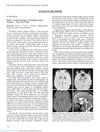
August 2021 in “Canadian journal of neurological sciences” Woodhouse-Sakati syndrome can cause writer's cramp and other varied symptoms, highlighting the importance of genetic testing for diagnosis.

