Sustained Scalp, Eyebrow, and Eyelash Hair Regrowth with Ritlecitinib Through Week 48 in Patients with Alopecia Areata: Post-Hoc Analysis of the ALLEGRO Phase 2b/3 Study
Melissa Piliang, Charles Lynde, Brett King, Paradi Mirmirani, Rodney Sinclair, Robert Wołk, Samuel H. Zwillich, Helen Tran, Fan Zhang, Liza Takiya
We don't know much about this study yet.
We're maintaining the world's largest resposity of hair loss
research. You can help out the community by
sending a PDF of this study here
.
Not sure how to get a study's PDF? You can email the authors
of the study.
An arthritis drug, baricitinib, is discussed as a potential treatment for autoimmune alopecia, not androgenetic alopecia. Ritlecitinib is also mentioned as a possible treatment for scarring alopecia.
PP405 shows promise for hairregrowth, with new hairs observed in 66% of patients in just 27 days. The discussion also mentions Minoxidil, finasteride, and RU58841 as potential treatments.
The conversation is about a user trying a new hair loss treatment, Ruxolitinib, alongside their existing regimen of finasteride, minoxidil, ketoconazole shampoo, and microneedling. They plan to apply Ruxolitinib to their temples daily for 1-2 months.
PP405, a topical treatment, shows promise for hair growth by activating inactive follicles, with 66% of participants experiencing positive results. The treatment is well-tolerated and may proceed directly to Phase 3 trials, offering a potential alternative to minoxidil and finasteride.
15 citations
,
May 2005 in “Seminars in Plastic Surgery”
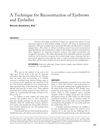
The document concludes that hair follicular unit transplantation is an effective method for eyebrow and eyelash reconstruction, with patients happy despite needing regular trimming.