Decreased Selenium Intake and Low Plasma Selenium Concentrations Leading to Clinical Symptoms in a Child With Propionic Acidemia
June 1991
in “
Journal of Inherited Metabolic Disease
”
New to Selenium? There is a guide in the encyclopedia. Read the guide → Studysummary This case report observed that a selenium-deficient diet in a child with propionic acidaemia led to macrocytosis and hair abnormalities, which improved with selenium supplementation. Our plain-language summary of this paper — not a Tressless recommendation.
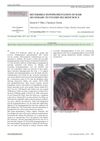
A child with biotin-non-responsive propionic acidaemia on a restricted diet exhibited macrocytosis and unusual hair texture with hypopigmentation, linked to low plasma selenium levels (45.9 µg/L) and inadequate dietary selenium intake (4.7 µg/day). Selenium supplementation (50 µg/day) over 4 months normalized plasma selenium levels (97.7 µg/L), reduced MCV, and significantly improved hair growth, color, and length. Similar clinical improvements were observed during additional periods of selenium supplementation, indicating that these symptoms were due to selenium deficiency.